Dr. Pankratz graduated with her veterinary degree from the University of Wisconsin – Madison in 2014 and pursued a small animal rotating internship in New York. She completed her behavioral medicine residency program at North Carolina State University and became board certified by the American College of Veterinary Behaviorists in 2018. She stayed on at NC State for her fellowship and as a clinical instructor before joining the Animal Behavior Clinic in Portland, OR in 2019. She teaches veterinary behavior to the public, veterinary students, and fellow veterinarians through conferences hosted throughout the US and Canada.
Morgane Van Belle graduated as a veterinarian specialising in companion animals from Ghent University (Belgium) in 2022. She subsequently started as an academic assistant and PhD student at the Ethology and Animal Welfare Research Group at Ghent University. Her PhD research (2022–2026) focuses on the social behaviour and relationships of companion cats. The ultimate aim of the project is to promote harmonious multi-cat households and optimise feline welfare. Morgane has published multiple scientific articles in peer-reviewed journals and has presented her research at international conferences. Her review on the use of citizen science to study cat behaviour was selected as the first Editors’ Pick of the journal Applied Animal Behaviour Science (Van Belle et al., 2024, 10.1016/j.applanim.2023.106133). Her conference presentation on the Ethogram of Feline Social Interactions received the 2025 iCatCare Welfare Research Award. Updates on the research can be found on social media via Instagram (@ugent_feline_research) and Facebook (Feline Research – UGent). Since 2025, Morgane has also been completing a residency at the European College of Animal Welfare and Behavioural Medicine (AWSEL), further expanding her expertise in animal welfare beyond cats.
Dr. Udell is a Certified Applied Animal Behaviorist and Professor of Animal Science at Oregon State University, where she teaches courses in animal behavior, cognition, and learning. She earned her PhD in Psychology, with a secondary field in Behavioral Ecology, from the University of Florida. Her research has explored many areas of animal behavior and cognition, with a special focus on the social behavior of cats and dogs and the relationships they share with humans. She is especially passionate about translating the science of sociability and attachment into practical strategies that support companion animal welfare and enhance the wellbeing of animals and the people who care for them.
Lisa Stemcosky (she/her), the owner of PawLitically Correct, is a Certified Cat Behavior Consultant (CCBC) with the International Association of Animal Behavior Consultants (IAABC) and a Fear Free Certified Trainer. With over 15 years of experience in private behavior consulting, modification, and shelter behavior, Lisa is a trusted expert in her field. Based in Washington, DC, she offers comprehensive behavior modification plans and support to clients locally, nationally, and internationally, helping to keep their cats happy in their homes.
Lisa’s deep understanding of cat behavior and species-specific needs allows her to create effective behavior modification strategies through targeted training and environmental adjustments. Her decade-long tenure at the Humane Rescue Alliance (HRA) involved developing training plans and performing behavior modification for cats and dogs in HRA’s care. Additionally, Lisa provided vital support to adopters, fosters, and the public through remote behavior consultations and by teaching group classes both in-person and online.
As a respected figure in the animal behavior community, Lisa has delivered talks and workshops to area animal shelters and at national animal welfare and behavior conferences. She also served as the Cat Division Chair for IAABC and is currently on the Board of Directors. From 2017 through 2021, Lisa was a mentor for the Jackson Galaxy Project’s Cat Pawsitive Pro program, advising and mentoring shelter staff and volunteers across the US on implementing feline behavior modification programs.
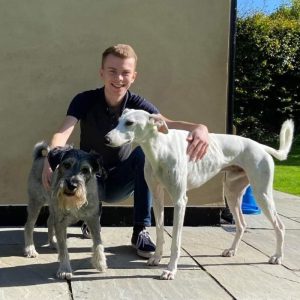
Daniel Shaw BSc (Hons), MSc, CDBC is an animal behaviourist specialising in canine and feline behaviour. He works with dogs and their owners to address a range of dog training and behavioural challenges, including aggression, fear, and trauma-related issues, with a focus on practical, evidence-based solutions that improve both welfare and day-to-day life for both ends of the lead. Daniel holds an MSc in Neuroscience from King’s College London and a BSc (Hons) in Psychology. He is a Certified Dog Behaviour Consultant (CDBC) and a Graduate Member of the British Psychological Society. His work is informed by current research, and he continues to stay up to date with the latest scientific understanding of canine behaviour. Alongside his clinical work, Daniel also acts as an expert witness in legal cases involving dog behaviour. His expertise is sought by solicitors and local authorities, with his reports accepted in both criminal and civil proceedings. Daniel is also a leading educator in the field of dog behaviour, regularly presenting at national and international conferences, as well as delivering webinars and seminars for professionals. His talks focus on canine behaviour, neurobiology, and training, helping to bridge the gap between science and practical application. He has been invited to speak at a range of industry events and has presented to the All-Party Parliamentary Group on Animal Welfare on issues relating to dog behaviour and public safety.
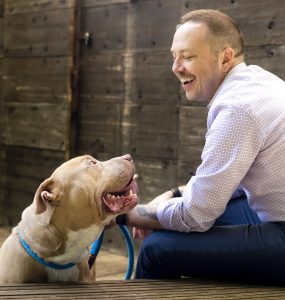
Dr. Chris Pachel is a board-certified veterinary behaviorist and is the owner and lead clinician at the Animal Behavior Clinic in Portland, Oregon. Dr. Pachel lectures worldwide, teaches courses at multiple veterinary schools, and has authored numerous articles and book chapters for veterinarians and pet owners. He is a sought-after expert witness for legal cases and serves on the Editorial Advisory Board for dvm360. He is a Vice-president of Veterinary Behavior for Instinct Dog Behavior and Training and co-owner of Instinct Portland, which opened in the fall of 2020. He is also a co-founder of LIMA Beings, an online community of people who seek to apply the power of communication and learning principles to our interactions with others, shaping behavior in compassionate and effective ways.
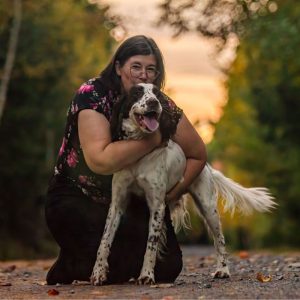
Barb Deg, RVT, CDBC resides in Nova Scotia, where she operates Front N’Scenter Animal Behaviour & Consulting. She started her professional career with animals as a Registered Veterinary Technician and went on to find her passion for all things behaviour and training.
Barb has been sought out for training events and workshops for owners, pet professionals as well as veterinary staff. She loves problem solving new ways of addressing hurdles in learning while prioritizing welfare of all the learners involved.
While the majority of her client load is complex behaviour cases by veterinary referral, she loves working to help people see their dogs through the world of scent detection and hunting. Her first Irish setter introduced her to this world, and she has never looked back. In her spare time between May and December, you will find her and her working gun dogs training and working her dogs in the field. Living with an adolescent working Springer Spaniel and adolescent working Irish Setter, she never goes a day without laughing.

Alice Chau, BA, PGCertCAB, is a clinical animal behaviourist specialising in feline behaviour, with over 15 years of professional experience. Based in Dublin, Ireland, she provides behaviour consultations, professional education and public outreach, with a particular interest in making evidence-based feline behaviour advice accessible to diverse communities.
Since expanding her practice online during the pandemic, Alice has consulted with clients from 13 countries and more than 150 towns and cities, gaining first-hand experience of how cultural differences, local infrastructure and access to resources influence feline behaviour consultations.
Originally from Hong Kong, Alice has lived in France and Ireland and brings a multicultural and multilingual perspective to her work. Alongside her clinical practice, she works as a professional community interpreter in healthcare and legal settings, where cross-cultural communication is an essential part of her role.
Alice also co-chairs the IAABC DEIJ Committee and is involved in research exploring diversity, equity, inclusion and justice within the animal behaviour profession. Her work brings together clinical expertise, cultural awareness and a commitment to making evidence-based animal behaviour services more inclusive and accessible.
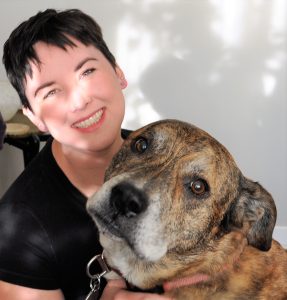
Allie Bender, CDBC, CPDT-KA, SBA is the founder and co-owner of Pet Harmony Animal Behavior & Training, co-author of Canine Enrichment for the Real World, and co-host of the Enrichment for the Real World Podcast. Through Pet Harmony, Allie helps dogs and cats with behavior issues and their people have a more harmonious household all over the world. She also empowers and educates other behavior and training professionals to provide outstanding services to their clients.
Allie is a national speaker, published author, an animal welfare advocate, and has made radio, podcast, commercial, and TV appearances. She has been working in animal welfare since 2006 in various capacities, including founding a student-run animal welfare organization. Allie started dog training professionally in 2012 and by 2015 became the lead dog behavior consultant for a large, multi-species animal sanctuary. Allie has a BS in Animal Science from Iowa State University and is certified through the International Association of Animal Behavior Consultants and Council for Certification of Professional Dog Trainers.
Allie lives in the suburbs of Chicago, Illinois with her husband, turtle, Zorro, and cat, Freya.
Behavior cases are complex—but treatment planning doesn’t have to feel overwhelming. In this engaging, practical session, Dr. Christopher Pachel introduces a structured, flexible framework that guides clinicians and behavior professionals through developing treatment plans for virtually any fear- or anxiety-based condition in dogs and cats. Attendees will learn how to apply this “magic formula” across a range of clinical presentations, including canine separation anxiety, noise phobia, and leash reactivity, as well as feline house soiling, intercat aggression, and scratching behavior. Clinical case examples, video demonstrations, and decision-making strategies will illustrate how to individualize care within a repeatable, effective framework.
Behavior plans are not static documents; they are working hypotheses that must be tested against the learner’s actual experience. In applied behavior work, the initial plan matters—but the ongoing process of reassessment is what allows us to determine whether an animal is progressing, coping, struggling, generalizing, or being asked for more than the current conditions can support.
This presentation will explore reassessment as a core professional skill across behavior cases, including fear, reactivity, aggression, cooperative care, separation-related behavior, and other complex concerns. We will examine threshold as a dynamic range rather than a fixed line, and consider how changes in body language, latency, recovery, intensity, and context can guide decisions about whether to stay the course or adjust the plan.
Attendees will leave with a practical reassessment framework for making more nuanced decisions about criteria, setups, progression, and welfare-centered plan adjustments.
Fearful behaviour can include avoidance, vigilance, freezing, escape attempts, defensive behaviour, or other responses that function to create distance from something the dog experiences as threatening or difficult. For some dogs, these responses are tied to specific triggers and for others, fear is broader, less predictable, and woven into daily life. In urban environments, that can mean repeated exposure to noise, movement, confined spaces, unfamiliar people and dogs, limited retreat options, and other pressures that accumulate across the day. This session explores how to assess fear within that broader context and identify the conditions most affecting a dog’s ability to cope, recover, and participate in daily life. We will consider predictability, opportunities for retreat and choice, route and environment design, caregiver behaviour, recovery time, and realistic goal-setting. The focus is on helping clients (and ourselves) create lives that are workable and welfare-supportive for dogs, rather than measuring success by how much of the city a fearful dog can eventually learn to tolerate.
Cats are considered to have a flexible social nature, with both social and solitary tendencies. Observations of free-ranging cats show that they can form strong social bonds when resources are abundant. However, incompatible pairings and limited opportunities for avoidance in the home can create social challenges.
In this talk, Morgane will discuss our latest research on social relationships between companion cats. We combined survey data and video recordings from 77 cat dyads to investigate the types of social relationships cats form and how these can be recognised. Contrary to the common assumption that cats are either friends or foes, our findings revealed three distinct relationship types: strongly bonded cats, non-bonded cats, and a third group of acquainted cats that display unstable or asymmetrical social bonds. They will explain how these different relationship types can be recognised and discuss their implications for feline welfare.
Discussion of the role of individual sociability in shaping social relationships between cats will also be covered. A wide range of factors has been proposed to influence whether two cats are socially compatible, including relatedness, familiarity, breed, and sex. Morgane will review the latest scientific evidence on the factors influencing feline sociability and explain how these insights can support evidence-based advice for caregivers adopting or introducing one or more cats.
Jumping, barking, and pulling – oh my! These and many other behaviors may all be very normal for dogs, but not necessarily easy to live with. When these behaviors disrupt daily life, caregivers may label their dog as stubborn, dominant, or “out of control.” When this happens, there is an increasing risk of frustration, punitive responses, and even relinquishment. This session will explore why nuisance behaviors persist and how unmet needs, environmental reinforcement, inconsistent expectations, and lack of dogs’ self-regulation can contribute.
Attendees will learn a framework for applying humane, practical strategies for managing unruly behavior while teaching dogs what to do instead. We will also discuss how to set realistic expectations and improve caregiver compliance.
While bird hunting has been part of the history of dogs and humans for a long time, in many circles working upland dogs are associated with aversive training techniques.
With a focus on upland questing breeds (Pointers, Setters, versatile breeds, and Spaniels), Barb will discuss cooperative training solutions to develop the working gun dog as a hunting companion that can still be competitive in field tests and trials.
This presentation will break down the components and skills needed for a successful working hunting dog and show how to find training solutions to teach the dog these skills using reinforcers that the dogs want.
Behaviour professionals are trained to observe carefully, analyse contingencies, and change behaviour effectively. But technical success can sometimes narrow our attention to what is observable, measurable, and modifiable, while missing other questions that also matter. An animal may behave differently without necessarily experiencing greater safety, control, or wellbeing. This talk will explore what becomes possible when behavioural expertise is treated as a starting point rather than the whole frame. We will examine the limits of behavioural outcomes as welfare indicators, the difference between suppression and meaningful resolution, and the risks of mistaking successful behaviour change – or even benevolently framed control – for evidence that an animal is thriving. From there, we will consider a more collaborative practice that recognises animals as knowers of their own circumstances, attends to what their behaviour reveals without reducing them to it, and asks how they might participate in shaping the conditions, choices, and relationships that affect their lives.
Some animals seem born able to handle the world. Others seem to struggle with just about everything in daily life. And some are in-between. Where animals fall in that range depends largely on the depth and breadth of the their coping skills. The good news is that you can improve an animal’s coping skills with the right training and support!
In this presentation, Irith Bloom will provide you with practical tools and techniques you can use to help animals learn to cope with life’s challenges better. She will help you understand what is happening when animals react poorly, and how best to support them when things have gone wrong, so that they can ultimately learn to react differently. Whether you live with an animal who has trouble coping or you help people with animals like that, this session is for you.
Cats are the most popular companion animals worldwide, and many households are home to more than one cat. While the flexible social nature of cats means multi-cat living can be beneficial for some, intercat tension is common and often goes unnoticed. Repeated conflicts can be a significant source of stress and may negatively affect both feline mental and physical health.
Understanding social dynamics between cats is therefore essential for managing multi-cat environments, and begins with careful observation of their behaviour. This talk highlights the value of behavioural observations using video recordings of cats in their home environment. Our speaker will introduce the recently developed Ethogram of Feline Social Interactions (EFSI), a tool for systematically scoring feline social behaviour, and demonstrate its application using real video cases, with a particular focus on allogrooming.
Allogrooming—the licking of another cat’s fur—is often regarded as evidence that cats belong to the same social group. However, detailed behavioural observations reveal that it is a nuanced behaviour with multiple potential functions. Specifically, cats may also use allogrooming in contexts of social tension, for example as a subtly aggressive sign to acquire a resource. The speaker will discuss and demonstrate behavioural indicators that help distinguish these different functions of allogrooming, providing the audience with practical insights into interpreting social dynamics in multi-cat households.
Join us for a deep dive into how client capacity, emotional bandwidth, and real-life constraints shape the success and welfare impact of behavior intervention.
Behavior plans do not live on paper. They live inside real human lives. In applied behavior work, we are trained to consider the needs, welfare, and learning history of the animal in front of us. But our plans are implemented by people—people with jobs, families, financial limitations, emotional fatigue, physical constraints, household complexity, and sometimes very little margin left. When we design interventions that are technically sound but impossible for the client to sustain, we risk creating plans that look humane in theory but fail in practice.
This presentation will explore feasibility as an essential part of ethical behavior planning, and also consider how professionals can move beyond simplistic ideas of “client compliance” and instead ask better questions, design more sustainable plans, and support clients without lowering welfare standards or stepping outside our professional role.
Attendees will leave with a more nuanced framework for evaluating whether a behavior plan is not only evidence-informed and welfare-centered, but also realistic enough to be implemented with care, consistency, and compassion.
Puppy socialization is widely perceived as an essential part of behavioral development, and recommendations about when and how to socialize puppies are common. But how much of what we recommend is actually supported by research?
Much of our understanding of puppy socialization comes from studies conducted by Scott and Fuller more than 60 years ago. In this presentation, we’ll revisit those foundational studies to examine what the researchers actually found, what conclusions we can reasonably draw from their findings, and where our interpretations may have gone beyond the available evidence.
We’ll then explore what subsequent research has added to our understanding of socialization. By bringing these different lines of research together, we’ll consider what we currently know, where important questions remain unanswered, and how we can use this information to develop more evidence-informed approaches to puppy socialization.
There is a growing body of robust research on dog behaviour, welfare, and learning, and a persistent gap between that evidence and what happens on the ground in rescue organisations. This session is not about making the case for research; it is about making research usable. Each stage of a dog’s journey through rescue, from intake through kennelling, assessment, rehoming preparation, and post-adoption support, is examined through the lens of current evidence, with a focus on what that evidence means for practice.
Rather than presenting an academic overview, the session works through specific, implementable findings, looking at how we can ensure we are working towards best practice, in a realistic and applicable way.
The session also addresses the practical reality of working in under-resourced environments, and how to prioritise evidence-based changes when time, budget, and staffing are limited.
Increasingly people living with pets report thinking of them as family members or even children. A growing area of science is now dedicated to the study of attachment bonds between humans and their companion dogs and cats. However, these trends have also led to debate about whether it makes sense to view human-animal relationships in this light. Luckily, a deep dive into the origins and history of attachment science provides some surprising answers and important evidence about the nature of these relationships. In this talk, we will examine key findings from attachment theory and explore how this scientific knowledge can be used to inform and improve the relationships we share with our animal companions.
Undersocialized kittens are a common and challenging population in shelters, and the pressure to move them quickly can lead well-meaning staff toward methods that overwhelm them. In this session, Dot Baisly shares a practical, humane framework for socializing kittens to humans while avoiding flooding and keeping stress low. Attendees will learn how to assess kittens’ individual needs, set realistic socialization plans, and placement strategies for success. The session will also cover how to build behavior support into shelter operations by equipping staff, volunteers, and adopters with the training and tools they need to continue the work, so that progress made in the shelter carries over into the home.
Punishment is a charged topic in the behaviour world, and although modern behaviour science and ethics tell us we should minimise our use of punishmnt in the interest of promoting good welfare, it remains important to understand how punishment functions and the effects it can have on learning, behaviour, and wellbeing.
Many of the dogs we work with will have experienced punishment-based training in the past, some owners may be committed to punitive approaches when we first meet them, and regardless of our own training philosophy, dogs are also continually exposed to naturally occurring aversive stimuli in their everyday environment, the impact of which we may need to recognise and address as trainers. Understanding punishment is therefore important not only when evaluating training methods, but also when helping dogs recover from aversive learning experiences and supporting owners towards more effective and welfare friendly approaches.
This talk integrates neuroscience and modern learning theory to answer key questions that every trainer needs to know on the topic of punishment. Why does punishment work to reduce unwanted behaviour? Why might it fail? And what unintended behavioural and welfare consequences might we see as a result of a punitive approach?
Resource guarding (a.k.a. “possessive aggression”) can be easy to spot when a dog shifts gears from a cuddly family member to one that growls, postures, or snaps when their access to a valued resource is perceived to be threatened. But why does this happen? This presentation will dive deep into which aspects of this human-directed aggression pattern may be considered “normal” and which may have underlying influences of medical diagnoses or emotional disorders, before taking an even closer look at management and behavior modification strategies that can be used for the prevention of this pattern as well as for intervention. We will compare behavior patterns specific to individual resources with dogs showing a more “generalized” pattern, and provide case examples to discuss when, and if, medication may be helpful as part of a comprehensive intervention plan.
This talk will address some of the most common misunderstandings about feline behavior that impact cat welfare when we are consulting. Some of these myths continue to be propagated by behavior consultants, including misunderstandings about cat relationship hierarchies and “dominance”, feeding cats next to each other as part of the counterconditioning process, the use of aversive stimuli (aka deterrents) to modify behavior, the need to confine cats to solve litter box problems.
Dr. Delgado will address how these myths came to be pervasive in both the general public and consulting fields and how we can undo them, show how to incorporate assessing the quality of evidence, and how we can make decisions that enhance cat welfare when we are lacking research.
Dogs in shelter and rescue environments regularly experience intense and complex emotional states, yet the language used to describe those states is often inconsistent across staff teams. This talk looks at the dimensional model of emotions, as a practical tool for understanding where a dog is emotionally, how to create the best behaviour modification plans and to help all members of the team contribute to success.
Working through a series of case studies with a range of problem behaviours, delegates will see how circumplex thinking translates directly into handling decisions and longer-term support planning. The session explores how to build Behaviour Management Plans that are anchored in emotional state, setting goals that are welfare-informed and realistic.
We will also explore how to use the shared framework to improve communication between staff at all levels of experience. This session aims to give you practical ideas, rooted In real cases for you to empower your dogs and staff for success.
An accurate understanding of feline behavior and cognition is essential for supporting cat health and welfare. Yet myths and misconceptions still overshadow much of what science has revealed about a cat’s needs, intelligence and abilities. This session will explore research-informed insights that can help us better understand common perceptions of cats and how these beliefs compare to what we currently know about the domestic cat’s cognitive and behavioral potential. We will also discuss practical strategies that can help us better support cats and cat-human relationships.
Why do some dogs thrive in multi-dog households while others experience persistent conflict? In this presentation, we explore the science behind interdog aggression, including the biological and behavioural systems that support social bonding, and what happens when those systems break down. Drawing from neuroscience and behavioural research, we’ll examine how sex, age, and neutering status can influence compatibility and conflict, especially in complex home environments. You’ll gain a deeper understanding of the neurobiology of social behaviour and how chronic stress, pain, or arousal can shift dynamics. Whether you’re dealing with resource guarding, repeated fights, or growing tension between dogs, this session blends science and strategy to give you a clear, compassionate roadmap for resolving inter-dog conflict.
One of the biggest challenges facing shelter behavior teams is the work we do with gray area dogs. These are the animals who may not fit into a clearly defined box, and who often need the most intensive help. How do we determine if our organization can safely and humanely house and later adopt a gray area dog into our community? How can we best triage these cases, determine the appropriate pathway, and effectively change the dog’s behavior? In this session we will take a deep dive into real-life case studies of gray area shelter dogs and walk through the process from intake to outcome. Join us as we discuss behavior evaluations and data collection, meeting the needs of behaviorally challenged dogs, medical collaborations, benchmarks for adoptability and more.
Cat caregivers may come to cat behavior consultants with claims that their cat has ADHD (Attention Deficit Hyperactivity Disorder). This talk will take a look at how ADHD has been defined in humans, and how some of the individual features of ADHD might be observed in companion animals, as well as the quality of the existing research on this topic. To date, only a few studies have explored a possible ADHD-like assessment in dogs. Dr Delgado will address some of the feline behaviors and traits that are described as ADHD, including play aggression, impulsivity, frustration related behaviors, and how we can improve those behaviors in cats, lacking an official diagnosis of ADHD.
Aggressive behaviour can emerge from many different combinations of fear, pain, frustration, environmental pressure, learning history, social conflict, and constrained choice. The behaviour may be what brings a client to us, but it does not necessarily tell us where intervention should begin. This session introduces a triage framework for cases involving aggressive behaviour, moving through immediate safety, pain and health, environmental pressure, predictability and control, human behaviour, and the dog’s behavioural repertoire. We will explore how to identify which conditions are most urgently contributing to a case, where change is likely to have the greatest impact, and how interventions earlier in the chain can sometimes substantially reduce the need for direct behaviour modification. The goal is not simply to reduce aggressive behaviour, but to understand what is making it necessary and what needs to change around the dog as well as within their behavioural repertoire.
Puppies and kittens are busy, inquisitive, and still learning how to navigate the world. And Oh So Cute! But when might juvenile chaos signal a developing behavior problem? This session will help attendees distinguish normal developmental challenges from early warning signs of more significant fears, phobias, aggression, and other anxiety-related conditions. Attendees will learn practical ways to assess young animals and identify when intervention or veterinary referral is warranted. By addressing concerns early, we can reduce family frustration, protect the human–animal bond, and prevent manageable problems from becoming reasons for relinquishment.
Humans, dogs, horses, and even fish perceive and react to ambiguous information in the world positively or they react negatively. These ‘optimistic’ or ‘pessimistic’ judgement biases to uncertainty reflect the individual’s affective state and can be considered aspects of personality. They are unconscious, automatic influences on decisions that impact animal learning, behavior, and welfare. This talk will describe my research and others’ research in judgement bias dogs and horses and discuss how they are connected to an individual’s welfare and their reactivity and resilience to stressors and stress-related disease.
Animal trainers share the same behavioural science, but the species we work with shape how we think, what we notice, and the solutions we reach for.
In this interactive session, Gabriel Lencioni and Trudi Dempsey explore what we can learn by looking beyond our usual species. Through practical cases, they will challenge species-specific assumptions and show how ideas from one training culture can unlock solutions in another.
The goal is simple: broaden our toolkit by asking, what might another trainer see that we are missing?
In the realm of animal training, protocols are invaluable tools for achieving behavioral goals. However, they should not be treated as rigid rules but rather as adaptable instruments. A protocol-first approach runs the risk of overlooking the genuine needs of our animal learners, potentially jeopardizing their welfare. Even if training yields success from our perspective, it may not translate to enhanced well-being for our animals.
This presentation delves into the paradigm shift necessary for effective enrichment strategies: prioritizing the needs of the animals over adherence to protocols. By embracing a needs-first approach to behavior change, trainers can align interventions with the specific requirements of their animal charges. The key lies in understanding the intricacies of each individual’s needs and tailoring enrichment plans accordingly.
Participants will explore methods for identifying the genuine needs of their animals, learning to discern between surface behaviors and underlying needs. We’ll delve into the process of selecting the most suitable tools and techniques to address these needs, ensuring that welfare remains the central focus of our efforts.
Addressing fear is a central part of behavior modification, but how much do we really know about what makes fear reduction effective? Research on extinction, counterconditioning, and exposure therapy is providing new insights into how fear responses change, why fear often returns, and what we might do to improve treatment outcomes.
In this presentation, we’ll explore recent findings from behavioral and neuroscience research, including evidence that supports some common approaches while raising questions about others. We’ll examine how different learning processes may contribute to reducing fear, what factors influence the persistence of treatment effects, and how we can use this information to make more informed decisions when working with fearful dogs.
The goal is not to identify a single best treatment method, but to develop a deeper understanding of the processes underlying fear reduction and what they mean for practical behavior modification.
Positive, low stress training methods have become the standard for animal training and are widely used in companion, zoo, and many farm animals for training, routine veterinary care, and management. Horses are a striking exception, where traditional training techniques persist. Negative reinforcement is valued particularly in ridden performance horse training, and positive reinforcement training—especially with food—is considered ineffective and counter-productive. Trainers are open to adopting new methods if they prove to be both effective and humane. In this talk I will discuss two strategies that animal trainers can adopt to help increase buy-in and improve welfare. The first is to understand the correct use of negative reinforcement, with an emphasis on avoiding unwanted drift into more aversive training. The second is to establish positive reinforcement protocols that are more effective for ridden horses.
Many cats that coexist peacefully as kittens begin showing conflict as they reach adulthood, leaving caregivers and behavior professionals wondering, “What changed?” This presentation explores the often-overlooked role of social maturity in the development of intercat conflict and how age-related changes in social behavior may influence relationships within the home.
Drawing on direct evidence from Crowell-Davis, Curtis, and Knowles, and supporting evidence from Turner, Bateson, Bradshaw, and Overall, this presentation explores how feline social behavior changes with maturity and why previously compatible cats may become less tolerant of one another as they reach adulthood.
Attendees will learn how social maturity influences feline relationships and why conflict often emerges as cats transition from adolescence to adulthood. Through evidence-based discussion and case studies, participants will gain a deeper understanding of age-related changes in feline social behavior, learn to recognize when social maturity may be contributing to intercat conflict, and develop practical strategies for setting realistic expectations and creating more effective behavior plans for multi-cat households.
Have you ever found yourself wondering why a dog is barking – or how to make it stop? Living with dogs can involve a fair amount of barking. But there’s barking, and then there’s BARKING. Some dogs seem to view barking as a job – or maybe just their favorite game – and that can be less than fun for us humans. Addressing barking is a challenge in part because not all barking is the same. Dogs bark for a lot of different reasons, and there is no one-size-fits-all answer for barking.
In this presentation, Irith Bloom will take a thorough look at barking. She will delve into different categories of barking and how to tell which ones are happening. She will also discuss a variety of humane, pet-friendly techniques that can be used to reduce barking. You’ll come away from the presentation with new tools to help you both assess and address barking. If you want to know more about barking, or just want to hear less of it, this presentation is for you!
NOTE: This talk will focus mostly on barking in dogs, but the principles in it apply to any kind of unwanted vocalization in any species.
Cooperative care is often framed as a binary: the horse accepts a procedure or refuses it. In this session Trudi will show how teaching a clear yes, no and maybe, where the horse can offer an alternative behaviour to gain reinforcement, creates another layer of language that sits between horse and human. She’ll cover how to teach opt-in and opt-out signals, why these signals and alternative behaviours are communication rather than failed training, and how to carry this language beyond cooperative care into groundwork and beyond. The examples are equine, but the process applies to all animals.
Would we give the same behaviour advice to someone living on a farm in rural Ireland as we
would to someone living in a high-rise apartment in Singapore? What if there is no feline-only veterinarian in your client’s country, the usual enrichment tools are unavailable, or several generations of the family are involved in caring for the cat?
As behaviour professionals, we routinely adapt our recommendations to the individual cat. Can we take one step further and also adapt to the client’s cultural context?
Through real-world case studies, this session explores how culture influences the way people live with cats, make decisions, seek veterinary care, communicate with professionals and implement behaviour advice.
We will also discuss how culture intersects with practical realities such as access to veterinary care, local legislation, housing, product availability and financial resources. Together, we will explore how we can maintain science-based practice while communicating and applying evidence-based feline behaviour advice in ways that are both culturally responsive and practical.
When working with aggression, safety matters—for everyone involved. But prioritizing safety doesn’t mean pausing progress or compromising meeting needs. Protected contact—commonly used in zoos and shelters—is an underutilized but invaluable tool in private work with aggressive dogs. It allows us to begin behavior modification immediately, without first “getting in” with the dog, and without compromising safety or welfare.
Protected contact isn’t just about minimizing risk; it’s a way to provide more clarity, reduce stress, and increase agency for the animal. With thoughtful setups, dogs can choose to engage or not, and we can meet their needs while respecting their boundaries. From playing fetch through an exercise pen to building reinforcement histories from across a gate, protected contact offers flexibility and creativity—even in home environments with limited resources.
We’ll explore different types of protected contact, how to coach clients through using it successfully, and why it deserves a permanent spot in your training toolbox. You’ll leave with practical strategies, real-world examples, and a renewed confidence in working safely and ethically with aggressive dogs.
Trainers and behaviorists often spend a great deal of time thinking about training sessions, but those sessions represent only a small part of an animal’s day.
In this talk, Gabriel Lencioni explores how everyday routines, environment, social interactions, handling, sense of safety, and access to resources can support—or undermine—our training goals. Using horses as a primary model, with parallels from dogs, cats, and other companion animals, he will examine when changing the environment may be more practical and sustainable than adding more training.
Following veterinary behavior cases to gain an understanding on motivations for cats to show aggression towards their owners. Explore common causes and triggers, such as fear, frustration, and play-related behavior, and how these behaviors affect the human-animal bond. Practical strategies for assessment and management will include identifying patterns and warning signals, improving safety, addressing potential medical contributors, and modifying the cat’s environment and interactions. Case studies will help illustrate real-world challenges and how to develop realistic plans that reduce conflict and support a safer relationship between cats and their owners.
Teaching children how to train their dogs requires combining principles of dog training and child development. In this talk I will review strategies we adopted to help children with developmental disabilities train their family dogs using Claudia Fugazza’s Do As I Do protocol. To increase correct responses and prevent errors, we used various training techniques, such as prompting and fading. To increase learner motivation, we gave learners agency and applied incentives such as token economy. To create a valuable and fun experience for everyone and to strengthen the relationship between the child and their dog, we tailored the training protocol to match the unique needs of each learner and dog. This talk is based on NIH funded research out of Oregon State University and examples and images in the talk have been shared with permission from Dr. Monique Udell (Human-Animal Interaction Lab) and Dr. Megan McDonald (Children and Youth with Disabilities Lab)
Take a mid-day pause and join us for a catered luncheon and panel discussion featuring conference educators.
This isn’t a panel of polished soundbites — experienced professionals will share the real stories behind their work: the missteps, mindset shifts, and lessons they wish they’d learned sooner.
This interactive panel centers lived experience and honest reflection. Designed to support reflective practice and professional connection, the session prioritizes thoughtful discussion over prescriptive answers. Your registration includes a full catered lunch and access to this engaging conversation.
Space is limited.
Italian Buffet:
Step away from the formal sessions and into something more personal.
Off the Record: Table Conversations is an intentionally intimate, small-group experience designed for real connection. Each table will be hosted by a conference educator, creating space for thoughtful dialogue, shared insights, and the kinds of conversations that don’t always happen at the podium.
There’s no set topic and no slides — just engaged professionals, honest discussion, and the opportunity to connect directly with leaders in the field in a relaxed, welcoming setting.
Ask the questions you didn’t get to ask. Explore ideas that sparked something for you. Share challenges, perspectives, or simply listen and learn from the collective experience at the table.
This is your chance to slow down, sit with colleagues, and be part of meaningful conversation in a supportive environment.
Space is limited to maintain an intimate atmosphere.
Lunch: Mexican Buffet
In this presentation, Gabriel will discuss how developing stronger equine training skills can have broad benefits for multispecies behaviour work. Because horses are highly sensitive to timing, consistency, emotional regulation, and environmental influences, working with them can refine a trainer’s ability to observe behaviour, adjust strategies, and communicate clearly with both human and nonhuman learners. This session will explore how lessons from equine training can strengthen ethical, effective, and practical approaches to behaviour change across species, ultimately supporting better welfare, better learning outcomes, and more thoughtful guidance of both animals and the people who care for them.
Physical contributors to equine behavior problems are often overlooked. This interactive presentation explores how a variety of medical conditions can influence behavior in horses, helping behavior professionals recognize when underlying physical factors may be affecting training, welfare, and performance.
Dr. Wailani Sung is a Board-Certified Veterinary Behaviorist dedicated to improving the wellbeing of animals and strengthening the human–animal bond. Dr. Sung currently serves as Senior Director of Animal Admissions and Wellbeing at Joybound People and Pets in Walnut Creek, California. In this role, she oversees three key areas: the transfer of pets from municipal shelters, the assessment and management of the shelter’s behavior population, and the training classes and consultations provided to privately owned pets. She also advises animal shelters nationwide on individual case evaluations and the development of effective behavior programs.
An accomplished author and speaker, Dr. Sung is co-author of From Fearful to Fear Free (with Dr. Marty Becker, Dr. Lisa Radosta, and Mikkel Becker) and a contributing author to Decoding Your Cat. She has also written extensively for veterinary textbooks, including Feline Behavior and Welfare, Handbook of Feline Behavior, and Animal Behavior for Shelter Veterinarians and Staff.
Dr. Sung has also been featured in the PBS NOVA documentary Cat Tales and the Netflix documentary Inside the Mind of a Cat.

The behavior staging and assessment scale was developed to classify the severity of behavioral disorders in dogs and cats in the shelter. The five-stage scale reflects their manageability, response to treatment, and how stable their behavior problem is. It helps team members provide clear communication regarding the status of a shelter animal, determine the appropriate treatment, and monitor the progress of the animal in the shelter. Behavior stages also provide valuable prognostic information which helps staff and volunteers understand the treatment process. This scale is modeled after the IRIS scale used in veterinary medicine where each stage has specific recommendations for treatment and monitoring, allowing for a consistent approach in managing canine and feline behavioral disorders in an animal shelter. The scale also provides transparency to team members and volunteers regarding the prognosis for each stage and potential risk for euthanasia.
This session will review the pathophysiology, clinical signs, differential diagnoses, and progression of cognitive dysfunction in cats. We will discuss evidence-based approaches to diagnosis and treatment, including environmental enrichment, nutritional support, pharmacologic options, and caregiver education. Practical strategies will be provided to help veterinary and caregiver teams identify affected cats, develop tailored management plans, and support clients in caring for their aging companions.
Aggressive behavior in dogs can present in a variety of contexts, ranging from highly situation-specific to more generalized expressions of risk. Understanding whether aggression in one context predicts aggression in another is critical for developing accurate prognoses and safe, effective treatment plans. This lecture will explore the underlying motivators of canine aggression, including fear, frustration, territoriality, and conflict. We will review risk assessment strategies to help practitioners evaluate the likelihood of aggression occurring in new contexts, as well as factors that influence prognosis. Practical approaches to safety and management will be discussed, including environmental modifications and handling guidelines. Finally, we will examine treatment planning, including the role of behavior modification and the judicious use of psychoactive medications, with the goal of improving patient welfare while reducing risks to people and other animals.
The brain and body are interconnected, and what affects one often affects the other. This interactive presentation will explore the ways that different medical conditions can impact feline behavior.
Can a “high-drive dog” be a successful house dog? In many cases, yes! This interactive presentation will explore the concept of “drive”, how that can present in a home environment, and whether it can be something else.
While training can make huge differences in a horse’s behavior, sometimes training is not enough. This interactive presentation will review when behavioral medications may be considered for supporting a horse’s training plan.
Dr. Valli Parthasarathy is the owner of and a veterinary behaviorist at Synergy Veterinary Behavior, a behavior specialty practice in Portland, OR. She helps families whose dogs, cats, birds, horses, and other species show problematic behaviors. Her goal is to help support positive behavioral change through greater mutual understanding and improved relationships between people and their animals. She has been invited to speak at national and international conferences on topics in veterinary behavior ranging from early recognition of problem behavior and treating behavior problems in various species to making veterinary care less stressful for patients. She regularly collaborates with general practice veterinarians and specialty clinicians, providing behavioral insight and support as part of a multidisciplinary approach to complex cases.
Frustration is one of the most common yet overlooked emotions behind challenging behaviors in shelter and rescue dogs. From barrier reactivity to overarousal, frustration often drives the patterns that make daily care difficult—but it can also guide us toward more compassionate, effective solutions.
This session explores how frustration develops, how it shows up in behavior, and how shelter professionals can reduce it through environment design, enrichment, and handling strategies. Rather than trying to suppress problem behaviors, attendees will learn how to meet dogs’ emotional needs, prevent escalation, and foster calmer, more resilient responses.
Participants will leave with practical tools they can apply immediately to improve both canine welfare and staff well-being.
The learning objectives will be to recognize frustration as a key emotional driver of common shelter behaviors, identify environmental and handling factors that contribute to frustration, and implement practical strategies to reduce frustration and promote resilience in shelter dogs.
This session focuses on how we can better understand and support dogs living with noise sensitivities to improve their welfare and long-term outcomes. We’ll explore practical, welfare-driven strategies that help dogs cope and build confidence in noisy or unpredictable environments. Attendees will learn how to create calmer spaces, develop flexible noise-support programs that go beyond standard desensitization and counterconditioning, and consider innovative ways to help dogs feel safer at home, in kennels, or in the wider community. By “turning down the volume,” both literally and figuratively, we can improve quality of life, promote recovery, and give noise-sensitive dogs a better chance to thrive.
A passion for animal welfare, canine behaviour, has been the cornerstone of Tom’s (he/him) career, spanning over 15 years in shelter and rescue. This experience, alongside a drive to better support shelter animals, led Tom to found Simplifying Shelter Behaviour.
Tom began volunteering in rescue at the age of 15 and has since been involved in a wide range of shelter and rescue roles. This hands-on experience led him to complete a BSc (Hons) in Bioveterinary Science and an MSc in Clinical Animal Behaviour at the University of Lincoln, UK.
After graduating, Tom worked with the UK’s largest dog welfare organisation, supporting multiple rehoming centres before progressing to Senior Training and Behaviour Advisor. He now works as a Senior Clinical Animal Behaviourist Development Officer, focusing on upskilling staff and teams to reach their full potential.
Tom is a Certified Clinical Animal Behaviourist (ABTC), a Certified Canine Behaviour Consultant and Shelter Behaviour Specialist (IAABC), and a faculty member and CBATI-KA with the Grisha Stewart Academy.
As behavior professionals, we often work with cats who are fearful, shut down, and/or hesitant to engage. These cats can be challenging, but with the right approach, we can help them build confidence and feel safer in their environments. In this session, we’ll cover where to start with fearful cats, how to adapt behavior plans to meet each cat’s individual needs, and practical strategies to gradually increase their comfort and confidence. Through real-life examples, participants will leave with actionable tools to support these cats and their caregivers effectively.
By the end of this session, participants will be able to:
Aging brings both physical and behavioral changes in cats, and understanding these shifts is key to supporting comfort, wellbeing, and quality of life. This session equips behavior professionals with practical strategies to help senior cats and their caregivers thrive. Topics will include strategies for adapting the environment, enrichment to support mental and physical needs, implementing cooperative care to minimize stress during veterinary visits and routine care, and providing guidance to caregivers navigating the challenges of aging.
Tabitha Kucera is an Elite Fear Free and Low-Stress Handling Certified Registered Veterinary Technician, a Veterinary Technician Specialist in Behavior, a Certified Cat Behavior Consultant, and a Karen Pryor Academy Certified Training Partner.
She is the founder of Chirrups and Chatter Cat and Dog Behavior Consulting and Training and Co-Founder of Small-Paws. An award-winning educator and international speaker, Tabitha lectures at regional, national, and international conferences, helping animal care professionals and pet caregivers deepen their understanding of animal behavior and strengthen the human-animal bond. She is a Fear Free Certified Speaker, a Fear Free Practice Certification Consultant, and the host of the podcast Tails from a Vet Tech.
In addition to working directly with clients, Tabitha consults with veterinary hospitals and animal shelters, focusing on education, implementation, and the development of practical training, behavior programs, and SOPs that improve animal welfare and team success. Her contributions have helped create comprehensive onboarding, training, and behavior resources for organizations across the industry.
What does empathy or joy feel like to you? Is it the same for the person sitting next to you? Is it the same for the animals in your care? Are emotions pre-wired in the brain, or are they learned? Is the topic of emotions even relevant to training animals? These are just a few of the interesting and important questions that surround the topic of emotions. In this session, we will focus on contemporary approaches to understanding emotions in action.
As a community, we have had a significant impact on how people interact with animals. Caregivers are much more likely to reward good behavior and seek alternatives to punishment than ever before. Of course, we want more! Animal welfare improves when we establish a dialogue with our learners, that is, when animals are given a “voice” to say stop, start, or continue with their behavior. These communications take many behavioral forms, from nuanced (a slight lean) to obvious (bared teeth), and they tend to be maintained by negative reinforcement. How do we get from honoring the “no” to shaping the “yes”? In this presentation, we will explore the three-path Competing Behavior Model and discuss different approaches for getting to YES!
Susan G. Friedman, Ph.D. is a professor emeritus in the Department of Psychology at Utah State University and the owner of Behavior Works Consulting, LLC. Susan has co-authored chapters on behavior change in five veterinary texts, and her popular articles have been translated into 17 languages. Susan teaches seminars and courses on animal learning online (How Behavior Works: Living & Learning with Animals), which has been attended by students from 64 countries so far. Susan consults with zoos and animal organizations around the world and teaches yearly for the British and Irish Association of Zoos and Aquariums (BIAZA) Animal Trainer Accreditation program. She was appointed to the Fish & Wildlife Service’s California Condor Recovery Team from 2002 – 2010, after which the team was retired due to the success of the birds in the wild. Currently, she is the Chairperson of the Scientific Advisory Committee of American Humane Association (AHA) Film and TV Unit. In 2022, Susan was honored to receive the Lifetime Achievement Award from the Association of Pet Dog Trainers.
This presentation will cover recent research on animal behavior interventions and procedures, including protocols to address behavior problems, skill acquisition, and assessment procedures. In addition, validated procedures that incorporate components with ethical implications will be discussed.
This presentation will discuss existing research that incorporates caretakers as implementers for companion animal behavior change and will cover functional analyses, preference assessments, cooperative care, and other relevant procedures. To date, existing studies suggest that participating caretakers can implement protocols with impressive fidelity, but that some individual animal/caretaker teams may require professional support at particular training steps. The presentation will also cover limitations of existing studies and discuss the major literature gaps in this area.
Mindy is a clinical assistant professor in the Animal Behavior Program at Carroll University in Waukesha, WI and instructor at Virginia Tech. She is a board-Certified Applied Animal Behaviorist (CAAB).
In addition to teaching and consulting as a legal expert witness, Mindy engages in research on companion animal behavior. Her early studies
focused on interventions for mouthing behavior in dogs. Recent studies focused on developing and testing protocols simple enough to be performed by owners or other non-behavior professionals. For example, she recently trained owners and dogs to work cooperatively to clean the dog’s ears.
Current studies focus on the efficacy of devices to reduce reactivity in dogs, such as Calming Caps and window film, as well as training dogs to willingly enter crates. Her research has received several awards, including the Marian Breland-Bailey Award and Fear Free Award, as well as competitive funding from Fear Free. She received her PhD in Molecular Biology from the University of Michigan and MS in Behavior Analysis from Marquette University. She lives in Waunakee, WI.
This presentation discusses the science of why reinforcer selection matters, including physiology, learning impact, and behavioral risks. We’ll also discuss practical knowledge and application, including reinforcer properties, classes, contextual factors, and fair pairs. Finally, we’ll delve into case studies, troubleshooting, and identifying and shifting responses. Attendees will gain implementation tips, including alternating reinforcers, fading, combining, transitioning, and a decision framework.
This presentation discusses a science-first perspective—why horses struggle, and what learning theory tells us from an ethological and neurobiological perspective. Additionally, it will dive into a step-by-step R+ roadmap full of practical application steps, in an order that supports horse comfort, welfare, and owner safety by creating a voluntary loading behavior. Finally, we’ll troubleshoot case studies that help attendees apply these concepts in real-world contexts to turn fear and resistance into confidence and trust.
Melissa, a lifelong equestrian and student of the horse, is a Certified Connection Training Coach, a Shawna Karrasch R+ Mastery Course – Santa Fe graduate, a Recognized Compassionate Equestrian member and facility owner, founder of Compassionate Horse Click and has been certified by American Riding Instructor’s Association in Dressage, Hunt Seat and Western Equitation for 25+ years.
She’s also a USDF Bronze medalist in Dressage and has many years of judging, coaching, riding and training experience in a variety of settings from working for and with Olympians to teaching in university settings and working as an independent trainer, clinician and coach (online and live). She’s immersed herself in the science and practice of horse behavior and
positive reinforcement studying with R+ behavioral specialists such as Ken Ramirez and Justine Harrison and speaking at International Equine Behavior events.
Dr. Palmer will discuss foundational theories of human social group behavior, including how groups form, intergroup conflict, and strategies to mitigate it. This content will help you better understand human social group dynamics with insight into human behavior.
Research on animal stereotypes often lacks nuance, focusing on animals broadly rather than specific subgroups or contexts. In the current work, we used a data-driven process to examine U.S. participants’ stereotypes of dogs. Study 1 identified stereotypes through open-ended responses, revealing that perceptions of dogs are ambivalent—containing both positive (loyal, protective) and negative (aggressive, dirty) elements. Study 2 assessed endorsement of these stereotypes and found that context matters, especially in terms of policy endorsement. Negative stereotypes predicted support for restrictive policies and reduced support for welfare-improving policies, while positive stereotypes had no policy impact. These findings demonstrate that stereotyping processes extend to human-animal relations and have real-world implications for animal welfare policies.
Lindsay Palmer is a social and behavioral scientist with a PhD in Psychology and Women’s, Gender, and Sexuality Studies. In her research program, she examines psychological mechanisms that impact human and animal relationships in her work. In particular, she is interested in the complexity of human behavior and social cognition in relationships with animals to inform interventions geared toward improving these relationships.
Volunteers are the heart of every shelter, yet most organizations struggle to harness their potential in behavior and training programs. In this session, Laurie Lawless, CDBC, CPDT-KA, presents a structured, welfare-driven framework for retooling your volunteer program to include behavior volunteers—a scalable system that transforms casual helpers into skilled, confident contributors to your behavior and enrichment operations.
Drawing on data, experience, and practical implementation from shelters across the country, Laurie outlines how to create a tiered volunteer development system that builds skill, confidence, and retention. Participants will learn how to identify their volunteer base, understand what motivates them, and address common challenges like burnout, inconsistency, and compassion fatigue. Through this lens, behavior work becomes approachable, teachable, and safe for all volunteers in our shelters.
Laurie Lawless, CDBC is a nationally recognized expert in shelter dog behavior, with over 16 years of in behavior, sheltering, leadership, consulting, and animal cruelty response. Her career was sparked in 2008 when she rescued an 85‑lb Boxer named Charlie – his behavioral challenges launched her into the world of professional dog behavior work, and she’s been “blaming Charlie” ever since.
In 2023, Laurie founded Shelter Behavior Integrations to help shelter teams implement behavior-forward practices in ways that are accessible, practical, and deeply impactful. Her passion lies in finding calm within the daily chaos of sheltering by streamlining operations and positive outcomes while improving behavioral support for the animals.
This talk will explore the fascinating science behind how cats learn. Discover how to apply learning principles, such as habituation, to help a cat become more comfortable with a carrier, or how to apply positive reinforcement to help a cat learn to use its new scratching post. By connecting scientific understanding to practical training methods, this talk will provide strategies to promote better human-cat communication and help enhance overall feline welfare.
In this talk, explore the inner worlds of humans’ most popular companion animals: cats and dogs. Discover how their social cognition shapes the way they understand and interact with other animals and humans. A special focus will be given to the sociocognitive abilities of cats and how these abilities compare to those of dogs. Discover whether cats can interpret human emotions and behaviors, whether they bond with humans, and how understanding these similarities and differences can help us better support the unique welfare needs of both species.
This talk will examine practical approaches to enhancing the well-being and adoptability of shelter cats through socialization and training. Discover how to organize engaging socialization sessions to help reduce fear in kittens, how to use human social attention to provide enrichment for adult shelter cats, and how to apply effective training methods that foster trust, reduce cat stress, and build confidence in cats during their shelter stay.
Dr. Kristyn Vitale is a Certified Applied Animal Behaviorist (CAAB) and an internationally recognized expert in cat behavior. She is a researcher and educator in animal behavior, companion animal welfare, and human-animal interaction. Vitale received a Master of Environmental Science from Miami University (USA), where she studied free-ranging cat social behavior, and a Ph.D. in Animal Science from Oregon State University (USA), where she researched cat social cognition and human-animal interactions. She also served as a Visiting Research Fellow at Kyoto University (Japan) where she studied cross-cultural differences in the human-cat relationship. Vitale’s main area of expertise is focused on human-cat interactions, cat social behavior, and the impact of life experiences, such as cat training and socialization classes, on cat cognition. Her research has been internationally featured in media outlets such as Science and National Geographic, and in documentaries such as How the Cat Conquered the World (ARTE France) and Inside the Mind of a Cat (Netflix). She is the founder of Maueyes Cat Science and Education, an organization dedicated to enhancing cat welfare and strengthening the cat-human relationship through education, behavior consulting, and science outreach.
Emotions aren’t simple, and neither is the science behind them. While researchers have proposed many competing theories, one of the most promising is the dimensional model of emotion, which focuses on valence (positive or negative) and arousal. This framework helps explain why understanding emotion is so important to understanding behavior. In this session, Dr. Spaulding unpacks key perspectives from leading researchers in animal emotion and explores how these insights can inform real-world practice, from assessment and behavior modification to improving welfare and resilience.
For years, behavior professionals have borrowed ideas from human psychology to help make sense of complex behavior patterns in animals. But the more we learn, the clearer it becomes that behavior doesn’t fit neatly into boxes. Emerging research is moving away from rigid categories and toward evidence-based, dimensional ways of understanding behavior, focusing more on underlying processes. In this talk, Dr. Spaulding explores how these evolving frameworks can reshape how we assess, describe, and support behavior in companion animals, offering a more flexible and scientifically grounded approach to understanding the individuals we work with every day.
Why do some dogs seem to go from zero to sixty in an instant or never slow down at all? We’re all familiar with the impulsivity and high energy that can happen during adolescence, but these traits exist along a continuum. For some dogs, intense activity levels or poor impulse control can significantly impact daily life. Join Dr. Spaulding to dive into the latest research on impulsivity and hyperactivity in dogs and what it tells us about underlying mechanisms, assessment, and the impact on behavior. We’ll discuss how to differentiate normal variation from concern, and how we can support dogs with these characteristics.
Dr. Spaulding has a PhD in biopsychology—the study of the biological basis of behavior—and is a Certified Applied Animal Behaviorist. She is the author of The Stress Factor in Dogs: Unlocking Resiliency and Enhancing Well-Being. Dr. Spaulding teaches a variety of online courses and webinars on the science of behavior through her website, www.sciencemattersllc.com. She also co-teaches the Carefree Companion Certification with Irith Bloom and serves as Vice President for the IAABC Foundation.
For some reason, certain animal-related beliefs get passed around, accepted, and eventually take hold as “fact.” Examples that were once widely popular include: all animals should have at least one litter; you have to be the pack leader for your dog to respect you; cats can’t be trained; and so on. Thankfully, we (especially in the rescue world) know these beliefs are simply untrue, and they are now fading from the public collective. When we know better, we do better. Which brings me to this session.
There are several cat-specific behavior practices I repeatedly encounter in the sheltering world. Unfortunately, from a cat behavior perspective, they have no actual basis and can be problematic. A few examples that will be dispelled in this session include cat-testing, confounding fearful and feral, relying on specific behavior history aspects as factors for future placement, litter box use in the shelter as an indication of “resolution” of litter box problems, and more. The goal of this session is not to finger wag or preach, but rather to share and inform. Again, when we know better, we do better.
The most common behavior concern cat behavior consultants encounter these days is conflict between cats. Essentially, when two adult cats are put together, we are creating a sort of arranged marriage. In any arranged marriage, it can be love at first sight or immediate and mutual dislike. This session will help cat consultants improve success among feline arranged marriages by outlining the main components of the general approach to introducing most cats. However, because one size certainly does not fit all, attendees can also expect to learn specific tips relevant to various and unique considerations, for example, studio apartments, multi-cat integrations with only one human, escape artists, and much more. The target audience of this session is anyone who works with cat integration cases.
Katenna Jones accidentally discovered her career as a shelter volunteer in the late 90s and soon went on to earn a master’s from Brown University where she studied animal behavior, learning and cognition. Since then, Katenna has provided cat and dog behavior support to pet owners as well as educational services to various pet organizations around the World. Katenna is a published author and contributes regularly to publications, podcasts, and more. She is an Associated Certified Applied Animal Behaviorist, Certified Cat and Dog Behavior Consultant, and Certified Fear Free Trainer. Katenna recently relocated to northern NY with her two cats and four chickens.
This session highlights the unique nutritional and behavioral needs of cats, emphasizing how proper nutrition and feeding practices can influence both physical health and behavioral outcomes. We will cover species-specific nutrient requirements and explore the natural hunting and feeding behaviors of felines. Practical strategies will be shared for aligning feeding management with these instincts to support behavioral wellness, prevent obesity and under-stimulation, and improve quality of life. Attendees will gain tools for recognizing when feeding practices may contribute to stress or unwanted behaviors, and how to correct course through enriched, individualized nutritional planning.
This presentation explores how evidence-based nutritional strategies support both the physical and behavioral health of dogs. Beginning with an overview of essential canine nutrient requirements, this presentation will examine the natural feeding behaviors of dogs and how modern feeding practices may support or disrupt these instincts. The session will highlight how thoughtful feeding practices—including diet type, feeding frequency, enrichment, and environmental context—support health, reduce behavioral issues, and enhance overall quality of life. Case examples will illustrate how nutrition can serve as a therapeutic tool—or contribute to problems—depending on how it’s implemented.
Dr. Julie Churchill is a Professor at the University of Minnesota College of Veterinary Medicine and a Diplomate of the American College of Veterinary Internal Medicine–Nutrition. She completed dual residencies; internal medicine and clinical nutrition, and her PhD, at the UMN before joining the faculty.
A leader in small-animal clinical nutrition, Dr. Churchill prioritizes individualized nutrition supporting patients through every life stage and disease state. She serves on the Boards of the Pet Nutrition Alliance and the Association for Pet Obesity Prevention and is coauthor and champion of a global pet obesity initiative endorsed by 23 veterinary organizations.
An enthusiastic educator and mentor, Dr. Churchill is known for bringing practical, communication-focused strategies to both the classroom and the clinic. She is dedicated to helping veterinary teams integrate nutrition seamlessly into everyday practice and to strengthening client communication. She’s a strong advocate for the wellbeing and mental health of veterinary professionals. She has been recognized with the MVMA Outstanding Faculty Award (2022), the UMN Faculty Service Award (2023), and the Dvm360 Veterinary Hero Award (2025).
We conducted a pilot study with two sanctuary-living donkeys to see how twenty days of daily training sessions impacted their behavior in a motionless human test with a familiar human (a trainer) and an unfamiliar human (a stranger). The donkeys, who were born in the wild or in a BLM holding facility, were largely unable to be handled for husbandry procedures without sedation prior to training. So, we trained them to stand with their front hooves on a rubber mat as a “consent behavior” for cooperative care. Once they learned to stand on the mat, we slowly introduced touch (starting with a light touch on the shoulder and eventually moving down a front leg to the hoof). The protocol was such that if they stepped off the mat, we would immediately stop what we were doing and back up, only continuing when they had resumed their place on the mat. The end goal of this training was that the donkeys could opt in to their own care. Before and after the daily training sessions, we conducted a proximity test in which a familiar human (one of the trainers) and an unfamiliar human (a stranger to the donkeys) stood motionless in a field for ten minutes, and we measured how much time the donkeys spent within a meter of each of the humans. Results from this measurement and practical findings from the training sessions will also be discussed.
Dr. JoAnna Platzer is an animal trainer and Zoos, Exotics, and Companion Animals lecturer in the department of Animal and Veterinary Sciences at the University of Vermont. She earned her PhD in the Applied Animal Behavior and Welfare lab at Virginia Tech under Dr. Erica Feuerbacher. Her research interests spanned several facets of behavioral and welfare and included studies with pet dogs, shelter animals, horses, and dairy cattle. Before that, she attended the University of Florida where she majored in Zoology with an emphasis on animal behavior. After graduation, she participated in research on site fidelity of Mockingbirds with the University of Florida, social behavior of Fairy-wrens with Cornell University, and comparative cognition of canines with Yale University. She has worked as a professional dog trainer for pet and shelter dogs and has trained various domestic and exotic animal species for enrichment and low-stress husbandry in zoos, conservancies, and sanctuaries.
It’s a common assumption that dogs who bark, lunge, or growl toward other dogs want them to stay away. But what if you’re a behavior professional in animal sheltering and you’re tasked with coordinating an introduction to a potential adopter’s resident dog? Or if you’re a private behavior consultant and you have a client whose dog is exhibiting leash reactivity, but you suspect the dog has a high degree of sociability with other dogs and you want to assess this?
How do you go about playing matchmaker for dogs who require extra support?
What factors do you look at to determine the likelihood that two dogs will be compatible with one another?
How do you orchestrate introductions in a manner that facilitates safety, the emotional needs of the dogs, and also taking into account common challenges such as barrier frustration?
Attendees will walk away with an understanding of:
How dogs navigate the space between them and others and why this is relevant in determining compatibility
The role of coping mechanisms and how that shapes the speed of an introduction
The importance of a sensory-rich environment
How to observe and measure changes in behavior that give us the ability to make more informed decisions
The limitations of parallel walks, and creative ideas for what you can do instead
And more!
Setups involve many layers—it’s not as simple as exposing a dog to another dog and reinforcing alternative behaviors. The art of setups takes into account the many variables at play: the environment, the positioning of the dogs, social pressure from the helper dog, the criteria you are setting, thresholds, and more. How do you account for all of these variables and set the dog up for success? How do you know when you can raise criteria, and which variables you would change to do so? And how do you create conditions that allow both the dog and the handler to be successful and build confidence?
The art of setups dives into all of these elements, with a strong visual representation of setups, including videos from real cases and graphics outlining specific setups. Attendees will walk away with clear, actionable strategies that they can implement into their cases right away.
Jessica Wheatcraft is a Certified Dog Behavior Consultant and professional dog trainer who has worked with thousands of dogs for over 18 years. She specializes in dog to dog leash reactivity cases, with an emphasis on understanding each dog as an individual and thinking outside of the box to implement the most effective and humane training solutions. She mentors other trainers via her Leash Reactivity Mentorship for Professionals and works with pet parents virtually from all over the world. She is the founder and host of the Rethinking Reactivity Podcast and is passionate about helping reactive dogs and their humans live better lives together.

Enrichment is a hot topic these days, and for good reasons! Enrichment done well can improve an animal’s agency, and increased agency is associated with enhanced well-being. Since enrichment can support better well-being, it behooves us to think about it. The good news is that for some species, enrichment is now so talked about that there are plenty of ideas. The bad news is that for other species, enrichment options are often limited to things like food toys, which only go so far in supporting agency.
In this presentation, Irith Bloom will discuss not only common enrichment options and their strengths and weaknesses, but also how to choose appropriate enrichment options, evaluate enrichment, and adjust enrichment over time to maximize its impact—no matter what species you are working with. If you’re looking to improve animal well-being or just want your clients’ animals to enjoy their afternoons more, this is the session for you!
Do you work with clients who live with non-human animals of more than one species? Many non-human animals share their homes with additional species of non-human animals. This can create complexity not only in animals’ lives but also in their humans’ lives.
As a behavior consultant, you may find yourself in situations where interspecific issues are significant to a case. What can you do in those situations, especially if one of the species is not a species you specialize in? In this session, Irith Bloom will discuss best practices for multi-species households. Topics covered will range from evaluating the situation to emergency management plans and longer-term solutions. Curious about working with multiple species? This session is for you!
Irith Bloom helps people create choice-rich environments that help pets live in greater harmony with humans and make the entire household happier. She is faculty at both Fenzi Dog Sports Academy and Victoria Stilwell Dog Training Academy, on the Board of Directors of the IAABC Foundation, a member of the Advisory Board for Pets for Vets, Chair Emeritus of the Education Committee of the Association of Professional Dog Trainers International (APDT), and a former CCPDT Board Member. She also volunteers for National English Shepherd Rescue. She is a sought-after presenter, and her writing has been published many times, including in her book “Your Puppy and You: A step-by-step guide to raising a freak’n awesome dog.”
Along with Dr. Kristina Spaulding, Irith co-founded and is faculty at Carefree Companion, a program that helps animal professionals work effectively with clients to improve stress.
In this presentation, Gabriel will delve into the concept of affective states: how animals experience and express emotions, and why understanding these internal states is essential for ethical and effective behavior modification protocols. We will explore the science behind emotions and the observable behavioral and physiological indicators that help practitioners assess emotional well-being. By grounding training decisions in a deeper understanding of emotion, this session highlights how prioritizing affective state assessment leads to more humane interventions, improved behavior-modification outcomes, and learners who are confident, motivated, and resilient, always avoiding the risk of biased classification or unreliable indicators.
Dr. Gabriel Lencioni is a veterinarian and PhD student in Animal Welfare at the School of Veterinary Medicine and Animal Science (FMVZ) of the University of São Paulo (USP). His passion for the study of animal behavior and welfare ignited during his college years, prompting him to actively engage in organizing seminars, symposiums, courses, and other educational activities on the topic. Under the guidance of Professor Adroaldo José Zanella, Gabriel had the privilege to develop scientific projects and interact with esteemed professionals in the field. His research focuses on various aspects of animal welfare, with a particular emphasis on assessing affective states in horses using artificial intelligence, learning theory, ethical training for solving unwanted behaviors, and fear-free methodologies for veterinary interventions.
Measurement and data collection are critical elements of successful behavior change systems. They allow for accurate analysis of presenting behavior, including aiding in identifying patterns of behavior and ensuring that interventions are empirically measured for success. Within Applied Behavior Analysis, there are many types of measurement and data collection methods, each providing their own benefits. This presentation will review several types of continuous and discontinuous methods and present examples of how they can be used, while offering human experiential learning opportunities.
Shaping is a procedure in which practitioners build behaviors through differential reinforcement of successive approximations. This procedure can be implemented across species and a variety of behaviors allowing for building a behavioral repertoire of new behaviors in small achievable steps with positive reinforcement. This presentation will re-visit foundational elements of shaping from an Applied Behavior Analytic lens with examples and human experiential learning opportunities. Additionally, shaping will be explored through research demonstrating the wide application across species and behavioral concepts such as stimulus control and on task duration.
Since 2014, Dr. Berger has been a licensed and Board Certified Behavior Analyst providing a variety of behavior change services to human clients. In 2020, she completed her Ph.D. in Applied Behavior Analysis, and in 2021 published research on combined therapy interventions for health and behavior. Dr. Berger has worked in the field of psychology as a clinician for over a decade, and has served as a psychology professor for many years. Dr. Berger additionally completed her study of positive reinforcement training strategies at the Victoria Stilwell Academy and became a VSA certified and Fear Free certified dog trainer. She currently runs a training private practice and serves as Director of Research for the IAABC Foundation.
Reinforcement is a prediction-driven economy. Learners allocate behaviour toward what is most valuable and most reliably expected to pay off, and learning happens when outcomes violate expectation through prediction error. This session goes beyond the basics to explain how value is set and shifted (motivating operations, setting events, magnitude and quality), how expectations update, and why behaviour distributes across options the way it does (matching, Premack, competing and functional reinforcers). Humans often control access to what matters, which means we are not just “using reinforcers,” we are setting prices and narrowing or widening the learner’s real options. The goal is a more precise, more nuanced approach to reinforcement that improves outcomes while staying accountable about power.
Agency is more than choice or freedom. In fact, “choice” and “freedom” can fail spectacularly when options are unsafe, costs are high, or the outcome is already decided. This session unpacks agency as a welfare-science construct using Špinka’s (2019) account of what it means for a nonhuman animal learner to have genuine influence, then translates that into a practical consulting framework with Littlewood et al.’s (2023) five components: choice, control, umwelt and affordance, challenge, and competence. We will explore how agency is quietly reduced through well-meaning management, time pressure, and human-centred goals, and how small design decisions can either widen or shrink a learner’s world. Expect concrete prompts for auditing behaviour plans, upgrading environments, and building skills that expand what learners can do and access, without disguising coercion as “consent.”
Dr Erin Jones is a researcher, educator, author and certified dog behaviour consultant based in Aotearoa New Zealand. She holds a PhD in Human–Animal Studies, an MSc in Anthrozoology, a BSc (Hons) in Anthropology and Psychology, and a postgraduate diploma in Animal Welfare. She also holds multiple professional certifications in dog training and behaviour, including CDBC, IAABC-ADT, CPDT-KA, and CANZ-ABC. Erin is the Director of the IAABC Foundation Journal and develops and teaches courses in animal behaviour, welfare and professional practice. Through her work with her own practice, Merit Dog Project, she brings together academic scholarship and applied experience to critically examine how humans understand, relate to and work with other animals. Her research and writing explore animal agency, ethics, welfare and the power dynamics inherent in human–animal relationships, particularly within dog training and behaviour consulting. She is the author of the book Beyond Behaviour: The Ethics of Dog-Centred Training (2026, CRC Press) and Constructing Canine Consent (2024, CRC Press), co-author of The Overprivileged Human (forthcoming, PM Press) and co-editor of Training for Utopia (forthcoming, CRC Press), A Research Agenda for Animal Studies (forthcoming, Edward Elgar), and Exploring Topic in Non/Human Coexistence (2025, Lantern).
We’ve all received those inquiries where a client is concerned about one issue, but when we show up for the consultation, there’s a lot more going on than they realized. Some of the biggest challenges we face as behavior consultants come when our cases are complex. Rarely does an animal present with just one issue. So, while we may specialize in a certain area, we must be able to understand and address a wide variety of behavioral issues. Using real case studies, this presentation will break down the steps required to resolve the concerns our clients bring to the table as well as the ones they weren’t aware of. We will explore the importance of creating a cohesive plan and how to adjust it when we’re thrown those inevitable curveballs.
Emily Lewis has 25 years of professional experience as a vet tech, dog trainer, behavior consultant, shelter behavior consultant and professional dog handler. She is a Certified Dog Behavior Consultant with the IAABC and operates Vermont Dog Behavior, LLC. She specializes in a wide variety of behavior issues, including human directed aggression. Due to the nature of the cases that she sees, Emily is often faced with families who have experienced trauma due to their dog’s behavior. She loves working with these clients to repair and improve their relationship with their dog, with an emphasis on meeting the needs at both ends of the leash.
Emily has been involved in animal welfare for the last 12 years assisting a variety of shelters and rescue organizations with their behavior programs. She strives to help shelter dogs have the best quality of life possible, to provide shelter staff with the training needed to keep themselves and the animals in their care safe, and to support the community with dog training and behavior resources. Emily is passionate about making education and mentorship accessible to all. She provides one-on-one skills training, dog behavior seminars and animal handling workshops for dog trainers and behavior consultants, rescue and shelter staff, animal control officers and veterinary professionals. Emily is currently serving on the board of directors for the International Association of Animal Behavior Consultants.
When she’s not working, Emily loves spending time in nature with her wife and dogs. She is an avid reader, a self-described comic book nerd, and enjoys collecting tattoos from some of Vermont’s talented artists.
Nonhuman primates have traditionally been favored models for studying human origins due to their close genetic relationship with Homo sapiens, yet important incongruencies exist between primate and human social and physical environments. Dogs, by contrast, have shared humans’ immediate environments and social niches for the entirety of their species history, and for much of ours. This long cohabitation has produced a distinctive suite of shared behaviors, in some cases supported by physiological and genetic convergence. Building on this perspective, we examine how dogs’ facial phenotypes influence the communicative behaviors they express toward humans, as well as how people receive and interpret dogs’ visual signals. Our findings highlight specialized adaptations that enable dogs to communicate effectively with people, while offering insight into early-evolving communication systems and possible influences on the development of human language. In the modern world, dogs continue to communicate with us in diverse ways. Our long-standing interspecies bond and dogs’ myriad roles in contemporary society position them as sentinels of human physical and social health. As physical and social environment exposures shape aging and well-being, companion dogs provide a powerful, underutilized model for understanding how the shared exposome affects both humans and dogs.
For humans, social bonds play an integral role in our lives, improving well-being, buffering us from stress and disease, and promoting longevity. Increasingly, many people develop such impactful relationships not only with other humans, but also other animals, with a growing number of individuals considering dogs as important members of the family. Recent and emerging research aims to evaluate these evolving relationships and the impacts of animal companionship on people’s physical and mental well-being, particularly for aging human individuals, those with special needs, and those experiencing trauma and loss. But what about the canine partners in these pairings? There is currently little understanding of how social relationships formed in human households affect dogs’ overall development, health, behavior, and welfare. Investigating how dogs are impacted by various types and degrees of companionship, loss of and changes in companionship, and human perspectives on relationships with their dogs is crucially important to improving our awareness of the full spectrum of physical, cognitive, and behavioral health risk factors and welfare moderators for dogs.
Dr. Courtney L. Sexton is a Postdoctoral Researcher in the Department of Population Health Sciences at the Virginia-Maryland College of Veterinary Medicine and member of the Dog Aging Project research consortium. With a background in evolutionary biology and the human-dog relationship, her current canine science research centers One Health and One Welfare principles. As a Certified Applied Animal Behaviorist (CAAB), Courtney focuses on guiding people toward intentional living and bond forming with dogs. Courtney is a member of AAAS, the Animal Behavior Society, and the International Society for Anthrozoology (ISAZ). She also serves as a member of the Communications and Community Building committee for ManyDogs Project. An accomplished writer, Courtney is passionate about scientific outreach and journalism, and often ropes her hound, Sonder, into helping out. As both a researcher and a communicator, she works with a diverse cadre of humans, animals, institutions, agencies, and organizations. She is a Virginia Tech Research & Innovation Scholar (2024), Diverse Intelligences Summer Institute Fellow (2022), AAAS Mass Media Fellow (2020), and DCCAH Arts & Humanities Fellow (2018; 2023; 2025; 2026).
Tracking is an amazing way to work with dogs. All dogs can do it, most people can do it, and it doesn’t have to require a lot. There are many different ways of tracking, and even though some of them are fairly complex, we can take bits from the different ways of tracking and adjust it to be a perfect activity for enrichment. In this session we will cover a few different ways to get started and discuss both controlled tracking vs. more loosely set search assignments. The dogs already know how to do this, and with a bit of guidance from us, we can make this an integrated part of any behavior change plan we put in place. It’s free, fun, and enriching for the dog, so let’s get back on track.
We’ve all heard of shaping and of behavior chains, but are we aware of the potential we unleash when we combine these two concepts? Shaping is our extremely powerful technique to teach our animals new behaviors – but sometimes we need to get a bit creative about it. What if the behavior doesn’t really occur, no matter how we set our sessions up? What if we keep getting stuck at a certain point? That’s where we need to use what we know about backchaining and put that into use, while still keeping our shaping hat on. By combining these two concepts, we have a great way of setting up errorless sessions while progressing fast. Join this session to get inspired on how to be able to teach your animals anything you could ever need.
Catja lives with a retired older cocker spaniel, who still loves to work, and a younger Australian Koolie, who is starting his first competitions. Since 2009, where she finished her instructors’ course via Canis academy, Catja has been working full-time with teaching on the topic of training, both online and at in-person workshops and at conferences. She is always on the path of continued education and curious to learn.
She has competed in the highest level of working trials, including obedience, tracking and search and rescue and has also been working with drug detection and rally obedience over the past years. But no matter if she works with working or family dogs, her focus is on developing the basic skills through clean training sessions and fluency in the trainers’ skills.
She is passionate about clean training, fluency, shaping, backchaining and giving the learner choice in the training. Practicing the basics and having great mechanical skills, is one of the things that will elevate your training to the next level, in her opinion. She believes that every dog handler can and should work with their dog, and that planning your session to be as clean and efficient as possible, will create more reinforcement opportunities for both learner and teacher.
Her first focus is to teach 80 different basic skills, that makes it possible to teach just about anything “advanced” later. Dividing all training into the smallest behaviors possible, before even thinking of adding the cue and setting the stage for clean training loops, is a high priority.
She uses shaping wherever it is possible, and always tries to have a clean, smooth session, with clear information for the dog while removing all background distractions.
Meeting the learner where they are and getting to be part of team growth is the most rewarding thing for her. Catja works with learners at all levels and also believes in continued education for everyone.
Feline pheromones have been used successfully in behavior therapy for more than 25 years. Do you know what they are? Learn more about these chemical messengers and how they are used in nature, as well as how you might be able to use them in conjunction with your training plan.
Feline undesirable elimination may be a significant part of your caseload as a trainer or behavior consultant. Learn about the forms of undesirable elimination, how to tell the difference, what factors contribute, and the treatment options available.
Amy Learn, VMD, DACVB, IAABC-CABC, is a board-certified veterinary behaviorist and Chief of Clinical Behavioral Medicine at the Animal Behavior Wellness Center in Richmond, Virginia. She specializes in the diagnosis and treatment of behavioral disorders in dogs and cats, with particular expertise in aggression, cognitive dysfunction, and compulsive behaviors. A graduate of the University of Pennsylvania School of Veterinary Medicine, Dr. Learn is an award-winning educator, author, and speaker dedicated to advancing evidence-based behavioral medicine and strengthening the bond between pets and their families.
Lawrence was born and raised in Washington, D.C. before relocating to NC to earn his bachelor’s degree in business management at North Carolina A&T State University. Upon graduating he was commissioned as an Army officer, where he served in duty stations in Arizona, Germany, and Iraq. While at Walter Reed Army Medical Center to recover from an illness during deployment, Lawrence became one of the first Servicemembers to complete the inaugural Dog Tags Program under the Humane Rescue Alliance (HRA; then-called the Washington Humane Society).
Since leaving military service and completing Dog Tags, he has continued to further his education. In 2020, he earned his Master of Arts degree in Psychology, specializing in behavioral neuroscience and animal cognition. He is currently completing his doctoral dissertation, also on pet adoption decision- making, to earn his doctorate’s degree in Psychology, with the same specialization.
In 2023, he joined HRA as the Workforce Development Director, before becoming the Director of the Human Resource (HR) and the Learning & Development (L&D) Departments until August 2025. He also spends time coaching throwing field events at a local Virginia high school and caring for his recent adopted pups from HRA, Malle (pronounced “Molly”) and Patience.
Join us for an evening of food, fun, and connection at the Reception & Showcase! Enjoy delicious food, a cash bar, and exciting games while mingling with fellow attendees.
Our vendors will be on hand showcasing their products and services, and if you’d like to learn more—or find out how you can contribute—to the Foundation’s initiatives, such as our Journal, educational programs, or volunteer opportunities, we’ll be available to chat. This is also a great chance to meet some of your IAABC Foundation educators in person.
Come for the food, stay for the connections—and let’s make it a night to remember!
Take a moment to slow down, connect, and pay it forward.
Join us for some evening snacks and a relaxed, come-and-go gathering where you can make a toy (or a few!) for a dog, a cat, or both. You’re welcome to keep your creations for your own pets—or donate them to one of our conference charity partners and help brighten an animal’s day. Supplies, snacks, and good company provided!
This presentation will highlight Lawrence’s research examining the top reported considerations for dog adoption decisions by visitors at animal shelters. It will also highlight the common shortcuts that may lead to sub-optimal decisions, as well as common advice-seeking and advice-taking behaviors that may affect shelter adoption and professional dog trainers.
Cats who are fearful and/or display aggressive or unpredictable behaviors in the shelter don’t easily attract adopters. Hear individual stories of how several struggling shelter cats found their perfect homes, and perhaps take away new ideas to use at your shelter.
Attendees will learn how to read cat body language. They will learn how to determine the underlying motivation for cats exhibiting aggressive behavior towards their feline housemates or pet guardians. We will discuss making the diagnosis and implementing a treatment plan.
Take a mid-day pause and join us for a catered luncheon and panel discussion featuring conference educators.
This isn’t a panel of polished soundbites — experienced professionals will share the real stories behind their work: the missteps, mindset shifts, and lessons they wish they’d learned sooner.
This interactive panel centers lived experience and honest reflection. Designed to support reflective practice and professional connection, the session prioritizes thoughtful discussion over prescriptive answers. Your registration includes a full catered lunch and access to this engaging conversation.
Space is limited.
Italian Buffet:
Crudité and cheese and charcuterie display
Caprese salad
Mediterranean tapenade chicken
Cheese tortellini primavera
Silky polenta
Maple glazed carrots
Garlic bread
Tiramisu
Take a meaningful pause in the middle of conference weekend and join us for a catered luncheon featuring veterinary social worker Valerie Bogie.
Valerie brings a unique perspective to the intersection of professional practice and the human experience behind the work. This featured session offers dedicated time to step back from case discussions and technical learning, and instead engage with ideas that support sustainability, perspective, and connection within our field.
Your registration includes a full catered lunch and access to this exclusive presentation.
Space is limited.
BBQ Buffet:
Maple BBQ baby back pork ribs
Spiced teriyaki BBQ chicken legs
Vegetarian sandwich – BBQ tofu, creamy slaw, and pickles
Corn on the cob
Pasta salad
Cole slaw
Corn bread with maple honey and butter
Peach pie with whipped cream
Shifting the perspective from doing things to them, to doing things with them! In everyday life with our animals, we sometimes need to do things that they would rather not participate in. By using various husbandry techniques, we can get a long way, but how do get away with doing “too much”, when we absolutely have to. Ideally we would prepare our animals for everything, but reality is often far from ideal. We are going to explore how we can go as far as we need to, without it resulting in an extremely bad experience, whether it’s a simple nail trim or more intrusive events. This presentation will include videos that show reactions to us doing too much, and how we bounce back from there.
We label many dogs “timid” or “anxious” due to their behavior in unforeseen situations. Often, when we analyze the situation, we get to see that it is sudden movement or sounds that they react to. By using a combination of start buttons, shaping, and carefully changing the environment, we can turn something that was previously very “scary”, into something that is great. This presentations includes a lot of start button work, but also shows how we can keep it really simple! We will explore how we can work with reactions to sounds, movement, wind, etc., but the examples can easily be transferred to other issues. By using being in control, to reinforce staying and being in the situation, and adding a layer of shaping distractions gradually into the situation, we can completely change the dogs experience.
Southwest Salad with Corn Salsa (Toppings on the side for dietary restriction options: Cheddar Jack Cheese / Pico de Gallo / Banana Pepper Rings / Chipotle Ranch / Cilantro Lime Dressing)
Soft Flour Tortillas
Soft Corn Tortillas (Vegan-Friendly)
Mexican Rice (Vegan-Friendly)
Seasoned Black Beans (Vegan-Friendly)
Cheese Enchiladas (Vegetarian-Friendly)
Shredded Cheddar Jack / Cotija / Guacamole / Freshly Made Salsa / Sour Cream / Shredded Lettuce
Grilled Vegetables (Vegan-Friendly)
Marinated Beef Fajitas with Sautéed Peppers and Onions
Grilled Chicken Fajitas with Sautéed Peppers and Onions
Bavarian Churros with Cinnamon Sugar / Fruit Cup
Freshly Baked Dinner Rolls and Butter
Freshly Brewed Coffee
Decaffeinated Coffee
Iced Tea
Assorted Hot Teas
Mixed Green and Romaine Salad (Toppings on the side for dietary restriction options: Grape Tomatoes / Diced Red Onion / Chopped Bacon / Shredded Pepper Jack Cheese / Grape Serrano Vinaigrette / Chipotle Ranch Dressing)
Grilled Vegetable Napoleon (Gluten-Free and Vegan-Friendly)
Green Chili Corn Bread
Denver Style Cole Slaw
BBQ Bone In Chicken with Golden BBQ Sauce
Sliced BBQ Beef Brisket with Sweet and Spicy BBQ
BBQ Baked Beans
Buttered Corn Cobettes with Lime and Cotija
Warm Peach Cobbler with Cinnamon Sugar and Cream / Fruit Cup
Freshly Baked Dinner Rolls and Butter
Freshly Brewed Coffee
Decaffeinated Coffee
Iced Tea
Assorted Hot Teas

Step away from the formal sessions and into something more personal.
Off the Record: Table Conversations is an intentionally intimate, small-group experience designed for real connection. Each table will be hosted by a conference educator, creating space for thoughtful dialogue, shared insights, and the kinds of conversations that don’t always happen at the podium.
There’s no set topic and no slides — just engaged professionals, honest discussion, and the opportunity to connect directly with leaders in the field in a relaxed, welcoming setting.
Ask the questions you didn’t get to ask. Explore ideas that sparked something for you. Share challenges, perspectives, or simply listen and learn from the collective experience at the table.
This is your chance to slow down, sit with colleagues, and be part of meaningful conversation in a supportive environment.
A catered lunch is included with your registration.
Space is limited to maintain an intimate atmosphere.
Lunch: Mexican Buffet
Tortilla soup
Chilled corn and black bean salad
Seared flank steak carne asada
Salsa verde chicken
Cheese stuffed peppers
Spanish rice
Tortilla chips, red salsa, green salsa, pico de gallo, guacamole, and queso sauce
Churros with cajeta sauce (caramel)

Garlic Breadsticks and Herbed Focaccia Bread
Traditional Caesar Salad (Toppings on the side for dietary restriction options: Shaved Parmesan / Garlic & Herb Croutons / Caesar Dressing)
Pasta with Sauce (Gluten-Free and Vegan-Friendly)
Roasted Vegetables (Vegan-Friendly)
Baked Ziti / Fresh Mozzarella / Basil and Roasted Tomatoes
Italian Sausage / Sautéed Peppers & Onions / Marinara
Braised Chicken Cacciatore
Tiramisu / Chocolate Chip Cannoli / Fruit Cup
Freshly Baked Dinner Rolls and Butter
Freshly Brewed Coffee
Decaffeinated Coffee
Iced Tea
Assorted Hot Teas
Drop-in at your leisure to network with speakers, colleagues, and old friends round-table style!
Available from 7:00 am – 8:15 am:
Seasonal Sliced Fruit & Berries
Breakfast Potatoes
Oatmeal
Fluffy Scrambled Eggs
Thick Cut French Toast
Sliced Bananas & Strawberries
Warm Maple Syrup
Applewood Smoked Bacon
Orange Juice
Freshly Brewed Coffee
Decaffeinated Coffee
Assorted Hot Teas
Drop-in at your leisure to network with speakers, colleagues, and old friends round-table style!
Available from 7:00 am – 8:15 am:
Seasonal Sliced Fruit & Berries
Breakfast Potatoes
Oatmeal
Sliced Banana Bread & Assorted Muffins
Breakfast Burrito with Scrambled Eggs, Chorizo, Pepper Jack Cheese, Sautéed Peppers & Onions
Pork Green Chili
Orange Juice
Freshly Brewed Coffee
Decaffeinated Coffee
Assorted Hot Teas
Drop-in at your leisure to network with speakers, colleagues, and old friends round-table style!
Available from 6:30 am – 7:45 am:
Seasonal Sliced Fruit & Berries
Breakfast Potatoes
Oatmeal
Fluffy Scrambled Eggs with White Cheddar & Chives
Vanilla Bean Pancakes with Warm Maple Syrup
Sausage
Orange Juice
Freshly Brewed CoffeeDecaffeinated Coffee
Assorted Hot Teas
This lecture focuses on techniques to train horses to tolerate, or cooperate, with routine veterinary procedures. This will include physical examination, brief oral exam, vaccination and venipuncture, and examination of eyes and ears. Some simple low stress handling techniques will be discussed as well to aid completion of tasks prior to achievement of training criterion.
Self-injurious behaviors in cats, such as over-grooming, tail-chasing, or excessive scratching, can be puzzling and distressing for caregivers. This session unpacks the medical, environmental, and emotional factors behind these behaviors and offers a practical framework for addressing them. Attendees will gain strategies to reduce self-harming behaviors, collaborate effectively with veterinarians and caregivers, and create a supportive environment that promotes healing and well-being. With real-world examples and actionable insights, this talk empowers trainers and veterinarians to work together in resolving these challenging behaviors.
Why do some cats spend their days munching on wires, searching for fabric, and ending up in the emergency room with foreign bodies? Pica in cats can have multiple motivations and can be incredibly difficult to treat. This engaging lecture unpacks the potential causes behind this puzzling behavior and offers practical, science-backed strategies for diagnosis and management.
Through a real-world case study, you’ll leave our time together with actionable insights to help clients navigate pica with confidence and compassion—improving the lives of cats and their caregivers alike.
With 30 years of experience in veterinary medicine, Dr. C started from the ground up — cleaning cages and training therapy dogs at 16 — progressing through puppy classes, dog training, and veterinary school, including a veterinary behavior residency at Cornell. Her journey includes hands-on roles in sheltering, general, specialty, and feline-only practices, giving her a well-rounded, compassionate perspective on the behavioral challenges families face. Today, Dr. C’s boutique veterinary behavior service blends academic insights with practical solutions, creating a supportive space for families navigating pet behavior issues and professionals worldwide. Her service is a vibrant hub of consulting, international lectures, and media contributions, all dedicated to advancing animal behavior, public health, and sheltering knowledge.
Michelle Mullins CDBC, KPA CTP is the owner of Honest To Dog, LLC in Richmond, Virginia, USA and currently serves as the President of the IAABC Foundation Board of Directors. Michelle has been training dogs for 20 years and all of her work has the same objective – developing long, enriching relationships between pets and their people. In addition to her work in the pet product industry, she has worked with private clients for basic manners, puppy socialization, cooperative care training and through aggression issues. Michelle is passionate about a team approach, working closely with other trainers, certified behavior consultants and veterinary professionals.
In addition to her IAABC Certified Dog Behavior Consultant credential, she holds certificates as a Karen Pryor Academy (KPA) Certified Training Partner (CTP), a Fear Free Certified Animal Trainer, TAGteach Level One Certified and has completed the Master Course – Aggression In Dogs.
Currently, Michelle focuses on providing educational content, presentations, and mentorships for pet professional organizations and as a guest speaker. She contributes to conferences, panels, podcasts, and consultations both on behavior cases and pet product development.

Lindsay Palmer is a social and behavioral scientist with a PhD in Psychology and Women’s, Gender, and Sexuality Studies. In her research program, she examines psychological mechanisms that impact human and animal relationships in her work. In particular, she is interested in the complexity of human behavior and social cognition in relationships with animals to inform interventions geared toward improving these relationships.
Malena DeMartini is on a mission to make the world a better place for dogs who struggle with being left alone—and for the people working so hard to help them.
An internationally recognized Certified Trainer and Behavior Consultant with more than 25 years of experience, Malena is a leading specialist in canine separation anxiety. She is the author of two books on the subject, the creator of the comprehensive online course Mission POSSIBLE, and the founder of the Separation Anxiety Certification Program, through which she educates and mentors dog trainers and behavior consultants around the world.
While separation anxiety is her specialty, Malena’s work extends into the broader challenges of applied behavior consulting, including ethical decision-making, thoughtful assessment and reassessment, client collaboration, and the delicate balance between scientific principles and real-world implementation. She is passionate about helping professionals look beyond protocols to consider the individual learner, the human experience, and the many factors that influence successful behavior change.
Blending science, compassion, and decades of practical experience, Malena brings both curiosity and warmth to her teaching. Her goal is to help professionals approach complex behavior cases with greater confidence, flexibility, and empathy—always keeping animal welfare at the heart of the work.
Learn more at malenademartini.com.

Melissa Deal is a life long equestrian and student of the horse, Certified Connection Coach, American Riding Instructor Association Certified since 1999 in Dressage, Hunt Seat and Western, and is a USDF Bronze Medalist in Dressage. Melissa has taught at multiple college/university equine programs. She’s the founder of Compassionate Horse Click, offering online courses, clinics and coaching both online and live. Melissa is emphatic that R+ has transformed her life in ways she never thought possible and is dedicated to sharing it with as many people as possible.
Melissa is often called “The Trainer’s Trainer” as she successfully coaches recreational horse owners and professionals alike. Her greatest accomplishment in the horse world is creating positive change and transforming the lives of horses and the people who love them.
Melissa helps equestrians create the relationships and results they can enjoy with the horses they love. Her way of kindly and dynamically transferring her knowledge of R+ horse training and relationship building methods is exhibited by hundreds of safe and happy horses and humans around the world!
Public spaces present unique challenges for dogs, but they also offer opportunities to cultivate autonomy, confidence, and well-being. This presentation explores the critical role of choice and agency in canine behaviour, revealing how these principles can transform our approach to navigating urban environments successfully.
Delving into the foundations of skill building, we’ll discuss how predictability and practiced behaviours equip dogs to make thoughtful, favourable choices. You’ll discover how tools like DRO and DRL/DRH can promote resilience and enhance adaptability, even within the constraints of leashes or busy settings.
Through practical strategies, we’ll explore how to create behavioural options that meet dogs’ needs for both tangible reinforcers and inherently valuable experiences, fostering problem-solving skills and trust. Real-world examples will highlight how these techniques can empower dogs, improving not only their experiences but also the harmony of human-dog interactions in shared spaces. By the end, you’ll have actionable insights to incorporate choice and agency into your behaviour practices.
Teaching nonhuman animals is not just about achieving behaviour change; it’s about fostering trust, autonomy, and well-being while navigating intricate ethical terrain. This presentation invites you to critically explore the ethical frameworks that underpin animal behaviour practices, including popular models in animal ethics. Together, we’ll unpack the power dynamics between humans and nonhuman animals, questioning how these relationships shape our methods and outcomes.
Through an ethical lens, we’ll examine the impact of training decisions, weighing human convenience against the welfare and agency of the animal learner. You’ll be introduced to structured approaches for ethical decision-making, empowering you to tackle dilemmas like the use of particular methods or balancing competing interests in real-world scenarios.
Engaging case studies and reflective exercises will challenge you to rethink assumptions and refine your approach. By the end, you’ll leave with practical tools to align your work with ethical principles—enhancing both the effectiveness of behaviour change and the richness of the human-nonhuman animal connection.
Erin Jones is a writer, educator, and dog behaviour consultant. She has a BSc in psychology and anthropology, a MSc in anthrozoology, and a PhD in Human-Animal Studies. Additionally, she has a postgraduate diploma in animal welfare. Erin has been working both in behaviour/training and scholarly advocacy for decades and has a special research interest in the ethical dimension of the dog-human relationship.
Erin is a Certified Dog Behavior Consultant (CDBC) and Accredited Dog Trainer (IAABC-ADT) with IAABC, a Certified Professional Dog Trainer – Knowledge Assessed (CPDT-KA) with CCPDT, and Accredited Animal Behaviour Consultant (CANZ-ABC) with Companion Animals New Zealand. Erin is the IAABC Foundation Journal Director and teaches for the Foundation. Her writing projects include authoring Constructing Canine Consent (2024, CRC Press), Co-editing Exploring Topics in Non/Human Animal Coexistance (2025, Lanturn), and has two additional books under contract with CRC Press with a 2025 and 2026 production date, respectively. Other scholarly publications can be found on her website.
Erin is a Canadian living in Christchurch, New Zealand with her dog, Juno, and husband, Mike.
The name play aggression is a misnomer as it can be a painful behavior for clients and other pets in the home to live with! This presentation will explain the overlap between play and predatory behavior in cats, and why some cats take their predatory behavior too far. I’ll discuss how to distinguish play aggression from other forms of feline aggression and present several humane ways to help prevent and stop play aggressive behavior, while channeling all of that feline energy in positive directions!
Meeting the welfare needs of cats means more than just giving them food, water, and a litter box. This presentation will start by defining welfare and outlining the specific needs of cats in temporary housing such as shelters or hospitals. I will discuss ways to improve care and reduce stress for cats at EVERY stage of their stay in a shelter or hospital – from intake to discharge/adoption and beyond. Every attendee will leave with at least one practical thing they can add to their current regimen to improve outcomes for cats in their care.
Sami Bradford has had a love for animals since she was old enough to crawl. She believes that all life has value, and all animals deserve the opportunity to experience unconditional love from humans. Her family fondly refers to her as a ‘Tibetan Monk’ (reference to “Seven Years in Tibet”) because she has been known to stop a game of cards to save a moth from landing in a drink. Aside from random moths, Sami shares her home with two Bengals and a Borador. Sami comes to the IAABC foundation with undergrad in business, a graduate certificate in public relation communications management and a master’s degree in communication. She worked in healthcare administration and public safety for 10 years until she found her calling in higher education. Currently, she works full-time in the Haskayne school of business at the University of Calgary and is a part-time instructor of Software and Technologies at the Southern Alberta Institute of Technology.
Lindsay Palmer holds a Ph.D. in Psychology and Women’s, Gender and Sexuality Studies. She is a social and behavioral scientist, and is a postdoctoral scholar in the Department of Population and Quantitative Health Sciences at UMass Chan Medical School. Dr. Palmer is interested in how humans form and maintain relationships with other animals and currently has a line of research in human-animal interactions. In her role at the Foundation, she primarily serves as a volunteer consultant for goals related to diversity, equity, and inclusion.

Lori Torrini is an animal behaviorist and trainer with experience in the care, rehabilitation, and training of animals across species. She holds a Master of Professional Studies in Animal Science and Behavior, a Bachelor of Science in Animal Health and Behavior, and an Associate of Applied Science in Zoo Keeping. Lori also earned a Certificate in Applied Animal Behavior from the University of Washington, an Animal Shelter Behavioral Management Certificate from the University of the Pacific and is a graduate of the AZA’s Animal Training Applications in Zoos and Aquariums course. She is a Certified Professional Dog Trainer – Knowledge Assessed (CPDT-KA) and a Fear Free Certified Professional (FFCP) in Training, Veterinary, Equine, and Shelter. Lori is currently working on her PhD in Cognitive Psychology.
As the Director of Behavioral Husbandry at Spirit Keeper Animal Sanctuary, Lori focuses on low-stress management, cooperative care techniques, and choice-based interactions across species. She specializes in creating individualized care plans for animals with complex needs.
This presentation offers an in-depth look at how Spirit Keeper Animal Sanctuary navigates the intake process and rehabilitation of dogs considered unadoptable by other facilities due to complex behavioral or medical issues. Attendees will learn how the sanctuary selects these animals, often in collaboration with rescues, shelters, and private individuals, and the process used to evaluate each dog’s unique needs. The session will cover how individualized care plans are crafted, addressing both behavioral and medical challenges, while also discussing the methods used to track each dog’s progress over time. In addition to specialized training methods, this presentation will highlight the importance of behavioral management through environmental design, including managing the dogs’ living spaces and social groupings to create a conducive environment for rehabilitation. Real-life examples of successful rehabilitations, long-term care strategies, and how Spirit Keeper manages multiple special-needs dogs simultaneously will also be covered.
Dot Baisly is the Executive Director of the International Association of Animal Behavior Consultants (IAABC). She holds a master’s degree from Tufts University and is a Certified Dog Behavior Consultant (CDBC), Certified Cat Behavior Consultant (CCBC), and Certified Shelter Behavior Specialist (CSBS).
With more than 25 years in animal welfare, veterinary care, and behavior, Dot has worked in shelters, rescue organizations, and private practice. She most recently served as Director of Behavior at Northeast Animal Shelter, where she built a behavior program from the ground up and reshaped the organization’s approach. Earlier, she led behavior work at the SPCA of Westchester and the Animal Rescue League of Boston. Dot began her career managing a veterinary clinic and working as a technician, which is where she developed her expertise in medical and safe handling techniques, she has since taught to shelters and veterinary practices nationwide.
In her private practice, Dot specializes in dogs and cats with complex behavioral concerns, often focusing on human-directed aggression. She has consulted with private clients since earning her first certifications, and for over 10 years she worked with Paws With A Cause, supporting service dogs and the people they partner with. She also consults for shelters nationwide, training staff and volunteers to strengthen behavioral support, medical care, and operational processes. She is widely recognized as a leader in the shelter behavior community, known for her expertise, compassion, and skill in guiding organizations through change.

Laura Cassiday is a certified cat behavior consultant living in Baltimore, Maryland. She began her career with Maryland SPCA, where she served as the cat behavior coordinator, implementing enrichment programs and initiatives to improve the welfare of shelter cats. In 2021, Laura founded Pawsitive Vibes Cat Behavior and Training, focusing on addressing behavior issues in private homes to prevent cats from entering shelters. Through remote and local sessions, she resolves aggression, destructive behavior, and litter box concerns while empowering caregivers with a deeper understanding of their feline companions.
Laura is also actively involved in advocacy efforts, such as supporting the Maryland Anti-Declaw Bill, is a published author of The Complete Guide to Adopting a Cat, and serves as Feline Division Chair of the Pet Professional Guild.
This case study presentation highlights Keever, a dog rescued from a severe hoarding situation, who exhibited intense fear and chronic under-socialization. Attendees will be introduced to the behavioral challenges that Keever faced during his early days in his new environment and the significant hurdles in gaining his trust. The session will detail the passive habituation process in which Keever was given the space to observe and acclimate to human presence without pressure, gradually building his comfort and confidence with limited to no active intervention by humans. We will also cover the role of social learning where Keever observed other well-adjusted dogs as models, contributing to his positive behavioral changes. Attendees will gain a comprehensive understanding of the step-by-step approach used to transform Keever into a more confident and well-adjusted companion, along with the lasting impact these methods had on his behavior.

Kierah Moore has been in the behavior realm for almost 10 years. It all started with a Chicago kid working on a farm for college credit. Upon receiving her Bachelor’s degree in Animal Sciences, she eventually made her way to a large pet retailer where she trained dogs, trainers, and made an impact on pet parents’ lives every day.
Kierah finds deep purpose in being part of the IAABC Foundation’s Diversity, Equity, and Inclusion Team, a passion that has slowly become her northern light over the years, empowering her to be the change that she wants to see in the world.
Ready for games, giveaways, and a glimpse into the future?
Join us for the IAABC Annual Meeting and get a front-row seat to what’s next for our community!
Connect directly with IAABC leadership — ask questions, share your thoughts, and get real answers.
Get insights into our strategic direction, highlights from the annual report, and what’s ahead post-LIMA.
Network and unwind with fellow conference attendees in a relaxed, welcoming space.
Enjoy games, prizes, food, and drinks!
This meeting is open to everyone! Register before April 30th to save your spot.
Your voice matters — be part of the conversation!
This presentation will provide valuable insights into feeding practices for cats. We will highlight the importance of recognizing that traditional feeding methods, namely feeding from bowls twice a day, may not meet the needs of felines. We will also delve into strategies for identifying and addressing food-related issues, including aggression, in cats. By understanding the normal hunting and feeding habits of cats, behavior consultants can better assist their clients in resolving behavioral problems related to food insecurity. They will also be able to offer guidance and specialized strategies tailored to individual cat needs.
This presentation will focus on a key phase of cat introductions: the stage where cats are gradually brought into direct contact after their initial separation. We will outline detailed strategies for this process, emphasizing how to evaluate progress and how to decide when to advance. We’ll also review recommended tools, logistics, and potential challenges that may arise during this phase. Additionally, we will delve into several pattern games, explaining how these techniques can add structure and predictability to the process, helping the cats understand expectations and reducing overall stress during the introduction period. To provide further context, we will examine case studies involving inter-cat tension, with outcomes ranging from successful integration to permanent separation or rehoming. We’ll analyze the factors that shaped these outcomes and discuss how decisions were made in each scenario.

Dr. Learn grew up outside Philadelphia, PA and attended veterinary school at the University of Pennsylvania School of Veterinary Medicine. Dr. Learn remained in general practice for 20 years before becoming a board-certified veterinary behaviorist and the Chief of Clinical Behavioral Medicine at the Animal Behavior Wellness Center in Richmond VA.
Dr. Learn lectures across the country and has contributed to veterinary textbooks, journal articles, blogs and received the prestigious RK Anderson Resident Achievement Award from the American College of Veterinary Behaviorists for outstanding research in the field of applied animal behavior.

Dr. Gabriel Lencioni graduated as a Veterinarian and is now pursuing his Ph.D. in the field of animal behavior and welfare at the University of São Paulo, Brazil. His research primarily explores the application of artificial intelligence to identify pertinent indicators associated with affective states in horses.
Gabriel is a Certified Equine Behavior Consultant (CEBC) with the International Association of Animal Behavior Consultants (IAABC) and a Fear Free Elite Professional for dogs, cats, and horses.
His professional journey spans veterinary behavior consulting, educating, and training, reflecting his commitment to advancing animal well-being.

Cheryl Kolus is a veterinarian with a special interest in behavior and is a Karen Pryor Academy Certified Training Partner. She also holds Fear Free Elite and Low Stress Handling – Silver certifications.
Although Cheryl currently works in the pharmaceutical industry, she stays current on animal behavior topics and enjoys helping others learn about their pets. She previously had her own behavior consulting business and worked as the behavior center manager for a northern Colorado cat rescue, where she not only directly helped shelter cats with behavioral challenges but also pet owners in the community by providing in-home consultations and pet behavior seminars. While at the rescue, Cheryl was involved in research on clicker training cats and is passionate about sharing this knowledge with others.
Cheryl was previously on the Executive Board of the American Veterinary Society of Animal Behavior, and she remains an active member of that group as well as the IAABC. She is now excited to be pursuing a veterinary residency in animal welfare.
In most shelters, dogs go for walks. Many dogs- if behaviorally suitable- have playgroups or one-on-one playdates. On the other hand cats- even kittens- are often housed alone, both for medical reasons and because they have a different social make-up than their canine counterparts. Playdates and playgroups are not species-appropriate for domestic cats. But what about careful co-housing? Can pairing or group housing alleviate anxiety and frustration in young cats/kittens? This presentation will delve into the ‘nitty gritty’ of pairing cats, the pros and cons, key factors to consider. Housing needs will also be discussed. I will include case studies to illustrate how careful co-housing can be an effective strategy, and also discuss how co-housing without the necessary set up and precautions can be detrimental.
Introducing a collaborative pilot program between Oakland Animal Services and Cat Town, developed to assess cats who show some signs of being socialized to people in the traditional cage setting, but may be avoidant of handling and/or displaying behavior that precludes them from being put up for adoption (generally Return to Field has been ruled out for these cats, due to safety or other concerns).
The cats are transferred to Cat Town, a cage-free shelter, where, after a few days of decompression, they start a 21 day assessment. Staff and trained volunteers conduct a brief assessment daily, which includes the cat’s response to the assessor’s presence, response to treats/wand play (with opt-out options built in); stress scores are noted at start and finish of interaction. At the end of the 21 day assessment period, placement determination is made – they can either go to a working cat placement through the municipal shelter’s Community Cat program, or stay at Cat Town and be on the “adoption pathway.”

Rick Hester is the Curator of Behavioral Husbandry for the Cheyenne Mountain Zoo in Colorado. He oversees all of the zoo’s behavior programming. His work includes the zoo’s animal training for husbandry, medical, and public show behaviors, environmental enrichment, developing programs to improve problem behavior situations, the zoo’s formal animal welfare assessments, and exhibit design for behavior goals. Rick has worked at Cheyenne Mountain Zoo since 2006. He spent 10 years working as an animal keeper caring for a wide variety of species, including small primates, great apes, penguins, African lions, and bears. In 2013, he started working with Dr. Susan Friedman and began to understand the importance of behavior analysis and its application for animals in human care. He has curated the zoo’s behavior programs since 2016, is adjunct faculty at Colorado State University in the Department of Biology and a consultant and course co-instructor for Susan Friedman’s Behavior Works LLC.
This talk is an introduction to the principles, procedures, and philosophy of behavior analysis. We will review six fundamental topics to understanding and changing animal behavior. The topics include 1) an evolutionary view of learning and behavior; 2) a review of the science of behavior-change called behavior analysis; 3) common obstacles to the scientific analysis of learning and behavior; 4) ABC assessment to better understand, predict and change behavior; 5) the errorless learning philosophy and antecedent arrangement to make the right behavior more likely; 6) the relevance of the least intrusive procedure to ethical use of training procedures.
Discrete trial training (DTT) is an essential strategy for teaching animals to be active partners in their medical and husbandry care. This approach has resulted in extraordinary welfare benefits and is now the standard of care in modern zoos. However, DTT is restricted by the trainers’ decisions. Trainers provide the cue, they set the behavioral criterion, they deliver the reinforcers, and they control the number of repetitions per session. Additionally, DTT occupies a relatively small portion of any zoo animal’s day.
After a training session has ended, animals in zoos are typically turned-out into less controlled habitats where trainers have prearranged so-called enrichment opportunities intended to induce active animals who behave similarly to their wild counterparts. However, the goals of environmental enrichment, as suggested by Markowitz (1982), have never been realized.
Recently, at Cheyenne Mountain Zoo, we have taken a free operant approach to environmental enrichment. With this approach, trainers engineer environments so that animals are free to make any possible operant response and to vary those responses as described by Lindsley (1996). In this presentation we will review several examples of these programs and discuss their relevance to the care of animals in a variety of contexts.
Juggling diet and nutritional restrictions during training and behavior modification can be challenging and feel overwhelming. Here, we discuss various ways to improve food reinforcement value while maintaining adherence to medical and caloric restrictions in dogs, cats, and horses.
In this presentation, I will provide audience members with important definitions to digest scientific research (e.g., What does statistical significance mean? What is variance?) Importantly, this will lead to a discussion of different models of group-level behavior change for people (e.g., COM-B model). With these theories, we will discuss developing group-level interventions for human behavior, its applicability to animal welfare, and understanding barriers and facilitators to behavior change for people.
The appearance of pet cats and dogs is an important factor in adoption decisions. There is evidence that there are biases towards certain traits (e.g., coat colors), though the scientific literature is mixed and scant. The current work examines human perception of dogs and cats utilizing a novel methodology to develop nuance and deeper insight into the stereotyping processes that influence interactions with dogs and cats. Specifically, the current utilizes generative artificial intelligence to create photorealistic mental representations of dogs and cats to model human biases, focusing on visual stereotypes and perceptions of adoptability, dominance, intelligence, friendliness, and aggression. The presentation will discuss future directions and implications for human-animal interactions.
Resource Guarding is a normal behavior in all animals. Here, we discuss normal vs. abnormal resource guarding, medical factors that influence it, and management, medical and behavior modification for controlling and treating it.
Non-prescription supplements might be useful in certain situations to help modify a cat’s behavior. But how do they work? What is the evidence behind them? When should they be considered? This presentation will delve into the pros and cons of behavioral supplements for cats.

Dr. Spaulding has a PhD in biopsychology—the study of the biological basis of behavior—and is a Certified Applied Animal Behaviorist. She is the author of The Stress Factor in Dogs: Unlocking Resiliency and Enhancing Well-Being, and she teaches a variety of online courses and webinars on the science of behavior through her website.
Kristina runs the Carefree Companion Certification with Irith Bloom and teaches for IAABC Foundation and Virginia Tech’s Animal Behavior and Welfare program. She currently serves as Vice President of the IAABC Foundation Board of Directors.
This presentation will communicate how horses can value and enjoy being trained with clear consensual communication when being taught tactile cues with R+, and how this type of training is imperative to ensure the best possible quality of life for horses in today’s equestrian environment.
Confusion exists about the use of aversive pressure versus tactile cues. The fear of using aversive pressure can discourage potential R+ enthusiasts from using R+/compassionate training methods and/or leave current enthusiasts feeling lost about how to kindly/ethically interact with their horses and still maintain safe enjoyable relationships. This fear can lead to the use of traditional training methods because trainers lack understanding of how to train tactile cues (with R+) that horses need to know to thrive in today’s equestrian environment.
We will discuss industry trends, misinformation in our industry and its repercussions, as well as the importance of perception and equine welfare. We will also address what strategies/R+ techniques are available and how to apply them to positively shape popular behaviors in equine training related to pressure, aversives and tactile cues, helping our equine friends be successful in a multitude of common scenarios.
Any dog’s nose can be useful for a local community. When someone loses their hearing aid, jewelry, keys, etc., it is time for the dogs to come to the rescue. This is a great activity for all dogs, including the ones that struggle with being close to others. It works as enrichment for the dogs while providing value to the community, and there are no rules.
In this presentation, we will go through how this service functions and how it can work in your local community. You will see how to teach the search, and more importantly, how to teach your clients the search. We will also cover the practicalities of how to be a part of such a service and what the dogs need to be able to start this service of helping your community. Locally, we have a nation wide group of dogs who anyone can call. They then come and search for the lost item for free. Hopefully, this type of service, could also be beneficial for your clients. And the best part – all dogs can participate to be future super searchers!
WEDNESDAY
“The Pie is Burnt – Now What Do We Do?” Lunchtime Learning Event: Join Dr. Amy Learn, DACVB and Tabitha Kucera RVT, VTS (Behavior), CCBC, KPA CTP for this insightful lunch discussion that explores how to navigate behavior challenges when there’s no recipe book, only ingredients. Discover strategies for building effective teams between veterinarians, behavior consultants, pets, and their parents. Learn from case discussions and share your insights while enjoying lunch. Participants will have the opportunity to submit questions for case discussions at the end. Topics may include whether to reschedule a vet appointment or keep going, needs vs. wants, testing PVPs (pre-visit pharmaceuticals), cooperative care, force-free handling, and making the best of every situation. Plus, learn why sedation can be your ally and what each participant brings to the table. Don’t miss this interactive and informative session!
The Old Smokehouse Buffet: Tossed Green Salad, Tomato, Shaved Red Onions, Cucumber with Two Dressings; Southern Potato Salad; Collard Greens; Southern Baked Beans; Western North Carolina BBQ Pork; Honey BBQ Roasted Bone-in Chicken; Cornbread Muffins; Pecan Pie; Iced Tea (Sweet or Unsweet); Water
THURSDAY
“Birds of a Feather” Lunchtime Learning Event: Join a conference presenter in an informal table discussion! With a single topic per table, linked to the educator’s conference session, this gathering offers a platform for connecting participants, expanding on session topics, and networking with conference presenters. No agenda, no pressure—participants are free to select their table and topic, whether they wish to actively participate or simply enjoy lunch while listening in. Don’t miss this opportunity to connect, network, and expand your expertise!
Uptown Asheville Buffet: Iceberg Lettuce, Bacon, Tomato, Cucumber, Red Onion, Blue Cheese & Vinaigrette Dressing; Roasted Seasonal Vegetable Display; Petite Grilled Sirloin Steak, Caramelized Onion Wild Mushroom Reduction; Lusty Monk Mustard Glazed Chicken Breast; Roasted Garlic Smashed Potatoes; Rolls & Butter; Cheesecake with Berries; Iced Tea (Sweet or Unsweet); Water
FRIDAY
“Animal Trainer or Human Teacher?” Lunchtime Learning Event: Why is it that despite advancements in animal training, there’s still one species where force, pressure, and threats are commonly accepted? When working with animals, we meticulously set criteria for success, yet with children, we often expect them to adapt on their own. What if we applied our knowledge to children as well? Teaching cooperative care and respecting their autonomy influences their treatment of others and their approach to challenges. Join us for lunch as we explore how to apply our skills to working with humans. The best way to teach children about consent, is to allow them to exercise it. After all, great animal training starts with the human.
The Milano Buffet: Traditional Caesar Salad with Parmesan Cheese, Garlic Croutons, Caesar Dressing; Cannellini Bean Salad; Chicken Piccata; Baked Pasta with Bolognese; Peso Orzo; Green Beans with Garlic & Olive Oil; Garlic Bread; Tiramisu; Iced Tea (Sweet or Unsweet); Water
There are clear efficiencies and positive side effects of training with food, toys, and other “contrived” reinforcers. And there are also clear advantages to widening the range of reinforcers in our animals’ lives to include those that are inherent to doing a particular activity. But teaching with naturally occurring reinforcers can be tricky for a number of reasons, including the problem of how to non-aversively manage the availability of those that are present in the larger environment and how to non-aversively “reset” after a reinforcer that can’t just be immediately swallowed. Teaching with contrived reinforcers (like food, often) first and then putting the behavior in contact with other reinforcers is one way to avoid some of these issues–but it comes with its own set of challenges. This talk will explore what exactly makes a reinforcer “contrived” or “naturally occurring,” why we might want to think more about naturally occurring reinforcers, and strategies for teaching with or transitioning to them.
Catja Pedersen lives with 2 Australian Koolies that develop her skills every day. Since 2009, when she finished her instructors’ course via Canis clicker training academy, Catja has been working full-time with teaching on the topic of training, both online and at in-person workshops and at conferences. She is always on the path of continued education and curious to learn.
Catja has competed in the highest level of working trials, including obedience, tracking, and search and rescue and has also been working with drug detection dogs over the past years. But, no matter if she works with working dogs or family dogs, her focus is on developing the basic skills through clean training sessions and fluency in the trainer’s skills. She is passionate about clean training, fluency, shaping, back chaining and giving the learner choice in sessions.
Meeting the learner where they are and getting to be a part of the process where the team grows together is the most rewarding thing for her. Catja works with learners on all levels, and believes in continued education, for everyone.

Kiki Yablon is a dog trainer and educator based in Chicago, Illinois, where she lives with her husband and their dog, Finn. In addition to her animal behavior certifications, Kiki holds a master’s degree in applied behavioral science. She works with pet guardians through her training business, Kiki Yablon Dog Training, and teaches fellow professionals as faculty for the Karen Pryor Academy and a co-instructor for Susan Friedman’s BehaviorWorks.
Join us for an in-depth discussion exploring what canine cognitive dysfunction is, how to identify the signs, and how it is affected by sensory decline, as well as consider what options we have to help our senior pets.
This lecture will look at some of the historic and new research on horse training with a focus on equitation and learning.
Most of us know all about separation related behavior in dogs. Does this condition affect cats too? We will explore that possibility and the current research discussing feline separation-related behavior.
Dr. Mikel Delgado has spent more than 25 years helping people better understand cats. A cat behavior expert, researcher, and co-founder of Feline Minds, she uses evidence and practical experience to improve feline welfare and help people better understand cats. Mikel received her PhD in Psychology/Animal Behavior from UC Berkeley and was a postdoctoral fellow at the School of Veterinary Medicine at UC Davis. She is currently a Senior Scientist at Purdue University. Her research has included the health and development of orphaned neonatal kittens, cat play and predatory behavior, and the feeding behavior of cats.
In addition to publishing dozens of scientific manuscripts and textbook chapters, Mikel is author of the 2024 book “Play With Your Cat!,” and co-author with Jackson Galaxy of the 2017 book “Total Cat Mojo.” She has previously served on the board of directors for the International Association of Animal Behavior Consultants, and currently serves as an advisor for Mission Meow, Orphan Kitten Club, and CatsOnly. She is also a member of International Cat Care’s Feline Wellbeing Panel. Mikel lives in Sacramento, CA with her partner Scott, and their three rescue cats, Coriander, Ruby, and Professor Scribbles.

Dr. Wailani Sung is a Board-certified veterinary behaviorist. Dr. Sung is currently the Senior Director of Animal Admissions and Wellbeing. She provides behavior consultations for privately owned pets and behavior assessments for shelter pets. She also provides consultations to animal shelters regarding individual shelter pets and evaluations on animal shelter programs.
Dr. Sung is a co-author of the book, “From Fearful to Fear Free”, along with veterinarians Dr. Marty Becker, Dr. Lisa Radosta, and renowned trainer, Mikkel Becker. She also co-authored a chapter in “Decoding your Cat”. Dr. Sung has been a contributor to the websites, PetCoach, PetMD and Reader’s Digest. She has written chapters for the following veterinary textbooks: Behavior of Exotic Pets; Blackwell’s Five-Minute Veterinary Consult Clinical Companion: Canine and Feline Behavior, 2nd Edition; Blackwell’s Five-Minute Veterinary Consult: Canine and Feline: 7th edition; Animal Behavior for Shelter Veterinarian and Staff, 2nd edition; Clinical Handbook of Feline Behavior Medicine. Dr. Sung was interviewed on the documentary, Cat Tales by NOVA and on the Netflix documentary, Inside the Mind of a Cat.
We will discuss the different underlying motivators that contribute to undesirable elimination in cats. Attendees will learn how to differentiate periuria from urine marking. We will take a deeper dive into how underlying medical problems can affect the prognosis and treatment plan. We will also discuss the use of natural supplements and psychoactive medications.
Dilara Göksel Parry was raised in Istanbul, Turkey and holds degrees in Psychology and in Comparative Literature from Oberlin College. She has worked in the animal welfare field for the majority of her professional life, including 12 years as the Cat Behavior Coordinator at the San Francisco SPCA. In 2008, she co-founded Feline Minds with Dr. Mikel Maria Delgado, where they focus on private consultations to help cat guardians live harmoniously with their cats and consult with animal welfare organizations with an emphasis on improving cat sheltering practices. In addition to staying busy with Feline Minds, Dilara works part-time at Cat Town Oakland, an innovative, cage-free rescue for cats deemed unadoptable in traditional shelter settings.
Dilara is a Certified Cat Behavior Consultant. She enjoys writing educational material to “translate” cats for humans, and has been interviewed by MSNBC, Animal Sheltering, thedodo.com, PetMD and Chewy, as well as written for the Bay Woof Foundation and Maddie’s Fund. She shares her life in Richmond, CA with her family of humans, cats, dogs, and chickens.

Animals have forever been the focus of life, both at work and at home. As a professor, I have taught many courses on animal behavior, learning, communication, and research. I currently teach courses in equine behavior and welfare at Virginia Tech and at the University of Guelph. My research is on behavior and welfare in horses and dogs. I also consult on behavior cases and as a legal expert witness. When I’m not working, you will find me with my furry friends.
Dr. Lore Haug graduated from Texas A&M College of Veterinary Medicine in 1993. She completed a rotating Internship at Louisiana State University. Later, she did a residency in Veterinary Behavioral Medicine at TAMUI and became board certified by the American College of Veterinary Behaviorists in 2003. After leaving a faculty position at TAMU in 2007, she sees referral behavior cases in the Houston area at Texas Veterinary Behavior Services.
Dr. Haug is a past president of the American College of Veterinary Behaviorists and a Certified Animal Behavior Consultant through IAABC.
She is a frequent speaker at veterinary and animal behavior conferences. She has a particular interest in neurobiology, learning and behavior modification.
In this talk, we will review the underlying process that occurs when a dog exhibits arousal-related aggression. We will discuss the different motivators for aggressive behavior. We will discuss criteria needed to make the diagnosis for arousal-related aggression. We will review how to manage the dogs to increase safety and avoid risks. We will also have a discussion regarding which psychoactive medications we should choose to supplement our treatment plan.
Used to be as our canine companions aged, we watched with concern and regret. We now have resources and knowledge to make this phase of their life better than ever. Join me to discuss these options and how to design a plan to keep your aging dog fulfilled while enhancing your bond.
Lawrence was born and raised in Southeast Washington, D.C. before relocating to earn his bachelor’s degree in business management at North Carolina A&T State University. Upon graduating, he was commissioned as an Army officer. While at Walter Reed Army Medical Center to recover from an illness during deployment, Lawrence became one of the first Servicemembers to complete the inaugural Dog Tags Program under HRA.
Since leaving military service, Lawrence has continued to further his education. In 2020, he earned his Master of Arts degree in Psychology, specializing in behavioral neuroscience and animal cognition. In November 2022, his research into dog adoption decisions at animal shelters was published by the Journal of Applied Animal Welfare Science.
He is concurrently working to complete his doctoral dissertation, also on pet adoption decision-making, to earn his doctorate’s degree in Psychology, with the same specialization and serving as the Director of the Human Resources and the Learning & Development Departments with the Humane Rescue Alliance.
This presentation will highlight the primary themes of leadership training & development over recent decades and identify how we still don’t get it right, despite recent theories, methods, and platforms. The content will tie together concepts from animal behavior and training, organizational leadership, and social psychology to bring a different perspective to answer the question: What is leadership?

Zenithson Ng is a clinical associate professor of small animal primary care at the University of Tennessee College of Veterinary Medicine and associate director of human-animal interaction research for the Center for Veterinary Social Work. He received his DVM from Cornell University; then completed an internship at the ASPCA, and an ABVP canine/feline residency combined with a master’s degree in human-animal bond studies at Virginia Tech. His research and teaching interests span all aspects of the human-animal bond, including the effect of human-animal interaction on welfare and wellbeing of therapy and working animals.
In any working animal partnership, the strength of the bond between the handler and the animal plays a pivotal role in their overall performance and welfare. Research demonstrates that handlers and their animal partners experience physiological synchrony, working closely as a unified team, with their connection being essential to success. By employing practical strategies for handlers to deepen the bond, both the handler and the animal are able to thrive, enhancing their joint performance and overall welfare.
Assessing animal welfare is complex, traditionally relying on behavioral observation but strengthened by combining it with physiological measures. Monitoring indicators like heart rate, blood pressure, and biomarkers (e.g., cortisol and dopamine) offers deeper insight, though each method has its challenges. Tailoring assessment methods to specific contexts is key, with goals to refine welfare evaluation models that emphasize both strengths and limitations of physiological biomarkers.
Yard design plays a crucial role in the physical and psychological well-being of horses. This presentation will explore how innovative yard layouts and enrichment ideas can reduce stress, promote natural behaviors, and improve overall welfare. Gabriel will discuss practical strategies for creating environments that cater to horses’ social, physical, and mental needs, providing actionable solutions for professionals to implement in their facilities. Attendees will gain insights into designing spaces that prioritize equine welfare, from stable configurations to pasture management, ultimately fostering happier, healthier horses.

Jeff Burgdorf is the Head of Research at Gate Neurosciences. He also serves as the Associate Director of the Falk Center for Molecular Therapeutics at Northwestern University and a Research Associate Professor in the Department of Biomedical Engineering at Northwestern University. Dr. Burgdorf brings over 20 years of experience and an extensive history of publications and early research across neuroscience discovery, pharmacology, and translational biomarker work, especially in affective disorders. Alongside Dr. Joe Moskal, Jeff is known for extensive contributions in the field of NMDA receptor mechanisms and behavioral pharmacology related to multiple NMDAR modulator compounds currently in clinical development. Recently, Jeff has pioneered research in the Insulin Growth Factor field and discovery and development of the GATE-300 series at Gate Neurosciences.
Dr. Burgdorf received his PhD in Behavioral Neuroscience and BS in Psychology at Bowling Green State University.
In this presentation, Trudi will share with you the untapped potential of equine scent detection. She’ll dive into how horses process and respond to odours, exploring their incredible olfactory abilities. You’ll learn how to choose odours and pair them with reinforcers as well as how to progress training to multi-container searches. This is great for all horses but especially for those not able to be trained more formally due to age or physical ability.
Drawing from recent human ethological studies, this presentation highlights five core principles of emotional expression in rats that can inform more humane and enriching practices. Learn how active social interactions, the balance of positive and negative emotions, and the natural rhythms of emotional expression can all contribute to happier, healthier animals. Discover practical ways to apply these findings to create a better environment for your client animals and promote their emotional and physical well-being.
Trudi Dempsey is a horse trainer and behaviour consultant, holding credentials with both the IAABC and ABTC, and serving as a Board Member for the IAABC. Her background is in classical dressage and bitless riding, but above all she is a trainer. Her work now centres on training to improve relationships between horses and their people, through cooperative care, scentwork and training within a behaviour context.
Her work has been published in the IAABC Foundation Journal, and she is co-author of a study on recognising pain in horses through facial expression. She teaches the Equine Cooperative Care course for the IAABC Foundation. She lives on the North Devon coast in the UK.
In a rapidly evolving field like animal behavior, professionals must rely on evidence-based practices to deliver the best outcomes for their patients. However, not all published research is free from bias, and interpreting data correctly is key to avoiding misleading conclusions. This talk will focus on how to critically assess scientific literature, identify potential biases, and apply high-quality evidence in clinical practice. Attendees will learn strategies for discerning credible research and how to effectively integrate it into their decision-making processes, ensuring the welfare of animals remains the top priority.
This talk explores the groundbreaking science behind rough-and-tumble play and its profound impact on well-being. Play not only induces positive emotions but also builds resilience to stress, acting as “fertilizer” for the brain by enhancing synaptic plasticity. Drawing on this research, a new class of therapeutics is being developed to treat a range of brain disorders. The talk also covers the potential of wearable biosensors to forecast emotional states in real time, enabling proactive interventions to prevent distress. Join us to discover how the science of play is reshaping mental health treatment for both animals and humans.
In this lecture, we will explore the importance of stay/stand behavior in equine training, focusing on its applications in mounting—both from a block and the ground—as well as its multiple safety applications. We will discuss the convenience and practicality of this behavior, emphasizing the role of consent and connection in building mutual understanding, communication, confidence, and trust. Proper use of stay/stand behavior is crucial in various contexts, including grooming, tacking, healthcare, and husbandry. The presentation will outline effective steps for teaching the stay behavior, covering key components such as antecedents, cues, reinforcers, timing, presentation, reading behavior, and duration.

Adele Shaw is a certified equine behavior consultant and horsemanship mentor in central Texas. From a young age, she has had a passion for understanding the “why” behind behavior and a deep desire to help horses and people have a better relationship. This later led to becoming a behavior consultant, coaching equine caregivers, and mentoring equine professionals around the world in ways to work with horses that are accessible, supportive, honor the horse, and are ethically minded.
With a focus on a whole horse approach to caring for and supporting both horses and humans, Adele’s coaching and training centers around a positive reinforced-focused approach. She’s passionate about giving back to the community by making information accessible and approachable through her podcast, many social media platforms, blogging, and guest speaking.
In this two hour joint-presenter session, you will experience crafting a ‘less error’ learning environment for horses, leading to faster and more resilient results.
In this session, participants will help design two different training protocols – one focused on errorless learning and the other on trial and error. Participants will explore how these distinct approaches shape behaviour, build confidence, and impact learning outcomes. It’s an opportunity to engage directly with the training process and experience how the principles of error-free learning can be applied in practice.
We often hear, “Ignore what you don’t like and click for what you want more of!” While this approach can sometimes yield results, it can also unintentionally create frustration, inconsistency, and disengagement in horses. In this presentation, we will explore species-appropriate reinforcement strategies tailored to equines for a calmer, more engaged equine partner.
This presentation explores the critical role that humans play in their horse’s behavior. We’ll focus on how our reinforcement procedures, body language, and the way we set up the training environment can unintentionally create anxious or pushy behavior. By examining the “human factor,” attendees will learn practical ways to adjust their approach to encourage a calmer, safer, and more cooperative horse.
OFFSITE EVENTS: If you are attending an offsite event, you will register at the event site when you arrive.
All other registrations will be processed at the Registration Desk (outside Heritage E) which will be open during the following hours (Mountain Daylight Time):

Emotional arousal and sleep patterns are deeply intertwined with behavior, yet these critical factors are often overlooked in discussions about well-being. In this science-based talk, we’ll explore how heightened arousal impacts behavior and why sufficient, quality sleep is essential. Drawing from cutting-edge research, this session will shed light on the overlooked connections between arousal, sleep, and common behavior issues, equipping you with actionable insights to support your companions.
Counter conditioning and desensitization are staples of behavior modification, yet emerging research suggests that these techniques may not always be as effective as practitioners assume. This presentation will critically examine the science behind counter conditioning, exploring its limitations and identifying key factors that influence its success. Attendees will learn evidence-based strategies to enhance these methods, including supplemental techniques and practical adjustments that improve outcomes across species and settings. Whether you’re a seasoned professional or new to behavior modification, this talk will offer fresh insights and actionable tools to refine your approach.
Enrichment is often dismissed as merely “spoiling” animals, but research reveals its profound impact across species, promoting well-being, emotional resilience, and adaptive behavior. This talk delves into the latest findings on how enrichment—whether spontaneous or intentional—can improve mental and physical health, mitigate problem behaviors, and bolster stress coping mechanisms. From dogs to exotic animals, attendees will explore the transformative power of enrichment, practical strategies for various species, and its implications for behavior professionals. Join us to discover how enrichment redefines animal care and elevates welfare in all settings.
Differential reinforcement of alternative behavior is a cornerstone procedure for problem-solving without punishment. On the surface, it sounds very simple: we just ask, “What behavior do you want instead?” and proceed to teach it while limiting reinforcement for the problem behavior. However, reality is seldom so straightforward. Common reasons for DRA failure include neglecting to investigate the purpose that the unwanted behavior serves for the learner and selecting reinforcers that don’t match (or beat) what’s maintaining it. But another often-overlooked factor is the selection of the alternative behavior itself. This talk will survey documented best practices for choosing alternative behaviors and suggest ways to choose alternatives that are more likely to foster successful and lasting behavior change.

Dr. Lucia Lazarowski is a Research Assistant Professor in the College of Veterinary Medicine at Auburn University, and Chief Behavioral Scientist with Auburn’s Canine Performance Sciences program. She holds a PhD in Cognitive and Behavioral Sciences from Auburn University and is a Certified Applied Animal Behaviorist (CAAB) through the Animal Behavior Society. She has been working in the field of animal behavior and cognition research for over 15 years, primarily focusing on improving the selection, training, performance, and welfare of detection dogs. In addition to research, Dr. Lazarowski teaches courses in behavioral psychology and veterinary ethology at Auburn University.
This presentation will summarize research on the effectiveness of methods for training odor detection dogs.
Working dogs are purpose-bred and trained to perform specific tasks, resulting in unique cognitive and behavioral phenotypes compared to typical companion dogs. Understanding working dog behavior and cognitive capabilities, including genetic/environmental influences, is critical for optimal training. This presentation will examine aspects of working dog behavior and cognition from selection of desirable traits to implications for training and career success.
Dr. Erin Hecht received a B.S. in Cognitive Science from the University of California San Diego in 2006 and a Ph.D. in Neuroscience from Emory University in 2013. She then held positions as a Research Scientist in the Center for Behavioral Neuroscience at Georgia State University and an Affiliated Scientist at the Emory National Primate Research Center. She is now an Assistant Professor in the Department of Human Evolutionary Biology at Harvard University, where she directs the Canine Brains Project and teaches a hands-on course on canine behavior analysis.
Dr. Hecht is the recipient of a Sloan Research Fellowship in Neuroscience and an NSF CAREER Award, both of which fund the Canine Brains Project. She is also an Associate Editor of Brain Structure and Function, a scientific journal that publishes neuroscience research in many species, including dogs. Her research focuses on neuroanatomical specializations in dogs, primates, and humans. Her own dog, Izzy, is 20 pounds of pure unfiltered sass and a contributor to many of Erin’s classroom and laboratory endeavors.
Alison Stannard Is a freelance designer who’s been working with the IAABC Foundation and the IAABC for nearly 16 years.
Ben Chambers is a grant writer and fundraising consultant based in St. Louis, MO who oversees foundation and corporate grants for the IAABC Foundation. He has nearly a decade of experience in the nonprofit sector, with experience in public advocacy, public media, mental health, and a variety of other causes. Ben is an avid animal lover who has a Golden Retriever named Rosie and an Orange Tabby named Meeko. He loves spending time with his wife, Ashley, and his two sons, Elliot and Carson.
This talk will examine the behavioral effects of traumatic experiences in dogs, such as abuse and abandonment. In a survey study with over 4,400 participants, we collected data on life history of stressful events as well as the Canine Behavior and Research Questionnaire (C-BARQ). We found that stressful events had the greatest impact when they occurred within the first 6 months of life. Dogs who experienced stressful events within this time period were significantly more likely to show elevated fear and aggression across all C-BARQ subscales. Furthermore, the impact of early life stress varied significantly across breeds, indicating the likely presence of innate factors for resilience and sensitivity. The next steps of this research will involve genomic analyses, to identify putative protective and risk alleles, as well as neuroimaging analyses, to examine how heritable genetic susceptibility interacts with environmental exposure within the lifetimes of individual dogs.
Dr. Denise Johnson is a general practitioner of veterinary medicine with a special interest in behavior, particularly feline behavioral wellness. She spends her free time working on Committed to Claws, an education project that aims to reduce declawing by providing cat owners and pet professionals with humane scratching solutions. Dr. Johnson also serves as a handling lab facilitator for the Ohio State University College of Veterinary Medicine, with qualifications including Elite Fear Free Certification and Low Stress Handling Silver Certification.
Joan Forry, Ph.D., is a certified dog trainer (CPDT-KA) and owner of The Dog Abides, LLC in Chester Springs, Pennsylvania.
Joan holds a Ph.D. in philosophy (2008) with a specialization in applied ethics from Temple University. Prior to working as a dog trainer, Joan was a philosophy professor and taught applied ethics courses, including animal ethics. She held academic appointments at Vanderbilt University, Linfield College, and the University of Southern California. She is a graduate of the Academy for Dog Trainers, and certified Fear Free Professional.
When she’s not training dogs in her community, she sometimes trains her own six dogs. She enjoys competing with Gustavo, her old, cranky chihuahua mix in Rally Obedience. She also enjoys working on her ongoing photography project, Miles on Hydrants.
Erin is a CPDT-KA, IAABC-ADT, CDBC, an Accredited Dog Behaviour Consultant with Companion Animals New Zealand, and has a MSc in Anthrozoology. She holds a PhD in Animal Studies from the University of Canterbury with a primary research focus on the human-dog connection, behaviour of companion dogs, and society.
Erin runs an educational/research-based organization also offering behaviour consultations for dogs and their humans, specializing in fearful and anxious dogs.
Erin currently lives in Christchurch New Zealand with her husband Mike and dog Juno.
Melinda is experienced in business analysis, quality assurance and project management and worked with various state and local agencies implementing Information Systems for over 20 years. She is the Communications Director with IAABC, the Director of Volunteer and Foster Engagement with an animal welfare non-profit and is also a Humane Policy volunteer. Melinda runs a small business part-time offering fine stationery for special events in which she offers calligraphy, letterpress and graphic design services. She is a Supporting Member of the International Association of Animal Behavior Consultants (IAABC). She is also a certified Project Management Professional (PMP). Melinda currently resides on Long Island with her partner David and their two beloved dogs Shea and Citi. You will usually find a third dog, a foster, in their home.
Dae Grodin is the owner and trainer at her professional dog training business, servicing the Northern KY and Cincinnati areas since 2011. She offers private training, behavior consults, group classes, 4H Dog Club classes, and board and trains. Dae has a BA in psychology from the University of Kentucky, is a Certified Professional Dog Trainer – Knowledge Assessed (CPDT-KA), a Karen Pryor Academy Certified Training Partner (KPA CTP), and FitPAWS Master Trainer (FP-MT). She also belongs to various dog training organizations, including IAABC and APDT. She was awarded the APDT Member of the year in 2015.
Currently, Dae is the Social Media Specialist for the IAABC Foundation’s social media accounts.
Dae lives with 4 dogs—a Husky/German Shepherd Dog mix, a Parson Russell Terrier, a Border Terrier, a Danish Swedish Farmdog, a house bunny, and a foster Pitbull. Dae’s dogs actively work in search and rescue, therapy dog and crisis response work, nose work, barn hunt, agility, fast cat/lure coursing, dock diving, and trick training. When she is not working with dogs, she enjoys hiking and photography.
Beth (she/her/hers) has been an animal enthusiast her whole life, but started making it into a professional career when she started volunteering at a shelter. She has since earned her CPDT-KSA, CCUI, and CCBC, and is very passionate about bringing cat behavior and welfare into the 21st century. She works as a private consultant for anyone having behavior issues with their cats or dogs, and working to find solutions that work for people and their animals in their normal, everyday life.
In her personal life, Beth lives with her husband and 4 dogs (Picabo, Niflheim, Baby Cthulhu, and Senua) in Houston, Texas and enjoys reading, crocheting, diamond painting, and really anything else that seems like fun at the time, and changing her hair color as frequently as possible.
This talk will discuss the efforts of the Canine Brains Project at Harvard University to understand the neural mechanisms of behavioral variation in dogs. In one study, we determined that historical selection for skills like hunting and guarding has produced differences in brain networks across breeds that appear to underlie those skills. Breed differences in temperament are also reflected in brain organization. Furthermore, the anatomical differences are evident between ancient and pre-modern dogs versus modern dog breeds like Labrador retrievers and border collies. Modern breeds show enlargement of neocortex, which is involved in learning and behavioral flexibility; cortical measurements predict trainability scores in individual dogs. This suggests that modern dogs have been under selection for increased learning capacity. One important aspect of learning in dogs’ daily lives includes the ability to understand human speech, and a pathway connecting comprehension and vocalization centers predicts the vocabulary size of individual dogs. Together, these findings suggest that neuroscience research can support a deeper understanding of canine behavior.
Sandy Crosby is a graduate of McGill University in Montreal and Strasbourg University in France. Having spent her working career in high tech for the Department of National Defense, in Ottawa, she happily retired in 2005.
After retirement Sandy obtained new skills for Search and Rescue for herself and one of her dogs, Bö. She now uses these skills to teach tracking and air-scenting to students who enjoy working outdoors.
Teaching dog training since 1997, Sandy is CPDT-KA and IAABC-ADT certified. She is a huge supporter and practitioner of methods that are kind, positive and scientific based for her human and canine students.
Sandy has been a member of the Association of Professional Dog Trainers (APDT) since 2004, Responsible Dog Owners of Canada (RDOC) since 2009, a CGC (Canine Good Citizen) evaluator since 2006, and a member of the International Association of Animal Behaviour Consultants (IAABC) since 2017.
Sandy is enjoying a happy retired life of country living in Ottawa, Canada, with her hubby, Pat, and Rottie, Bender.
Irith Bloom finds joy in helping people learn to teach animals (including human animals) with kindness. A biologist by training, Irith is fascinated by the science of learning. She is faculty at VSA and FDSA, on the Board of Directors of IAABC Foundation, a member of the Advisory Board for Pets for Vets, Chair Emeritus of the Education Committee of APDT, and a former CCPDT Board Member. She also volunteers for National English Shepherd Rescue.
Irith is a sought-after presenter, and her writing has been published in countless online outlets, as well as in print media including her book “Your Puppy and You: A step-by-step guide to raising a freak’n awesome dog.”
Irith is an education junkie with a long list of letters after her name, most notably certified professional dog trainer and certified dog behavior consultant. Along with Dr. Kristina Spaulding, Irith co-founded and is faculty at a program that helps people teach greater stress resilience and better emotional regulation to their non-human animal companions. Irith also provides both peer-to-peer and trainer-to-pet-family services worldwide through her own company. Irith is between dogs at the moment, but shares her home with a well-behaved spouse.
Camille Asmer is a Certified Dog Behavior Consultant (CDBC) and Accredited Dog Trainer (ADT) with the International Association of Animal Behavior Consultants (IAABC) and a Certified Behavior Consultant Canine (CBCC) and Certified Professional Dog Trainer (CPDT) with the Certification Council for Professional Dog Trainers (CCPDT). Camille started her dog training career volunteering and then working for a non-profit that breeds, raises, and trains English Labradors to become service dogs for veterans and disabled persons. Very soon after becoming a full time trainer, fascinated with animal behavior, Camille continued to train and study until she became certified in behavior too.
Camille’s favorite thing about her job is bringing clients hope and helping them see results, shaping a strong and happy bond between the owner and pet through positive reinforcement based training. She specializes in canine aggression and fear based behaviors, working closely with veterinarians in the Charlotte, NC, area to help clients understand, train, and live happily with their dogs.
Camille is a true dog nerd and loves to study all things dog. She enjoys being a volunteer parrot trainer and being a mentor for other people studying to become trainers. When not working, Camille loves to spend time with her husband, three children, and 2 Labrador Retrievers.
Sylvia Currie brings together subject matter experts and education team members to develop and implement online courses, webinars, and yet-to-be imagined educational programs. She has been designing and facilitating online learning and supporting others to do the same since the early days of web browsers.
Helen is the owner and operator of No Monkey Business Dog Training. Based in Concord, New Hampshire, she is a Certified Professional Dog Trainer – Knowledge and Skills Assessed (CPDT-KSA) and a Certified Dog Behavior Consultant (CDBC) and an Operation Socialization Certified Trainer (OSCT). Helen has been training dogs for over 19 years. She is a professional member of the Association of Pet Dog Trainers, a member of the Association of Animal Behavior Professionals and is a certified member of the International Association of Animal Behavior Consultants and a member of the Pet Professional Guild. Helen is also a licensed Dogs and Storks presenter, a licensed Dogs and Toddlers presenter, and a certified AKC evaluator.
Helen’s skills range from teaching basic life skills to behavior modification of serious problems including aggression, as well as service dog training. Helen is constantly going to continuing education seminars to learn more about the fascinating world of dog behavior, and she has been featured on the radio, in print, and on T.V. for her work. She volunteers countless hours at the local SPCA and works with homeless dogs to help them learn skills to find a home that is lasting and successful. Her two large facilities in Concord offer state of the art experiences for people wanting to better their relationship with their dogs, offering classes for reactivity, nosework, agility and so much more.
Helen strongly believes that true success in dog training is learning how to educate people kindly, compassionately and fairly so they can be better handlers for their dogs and understand them more. Helen has 9 dogs of her own, and runs a senior and hospice dog rescue out of her home also. When she’s not training her dogs, she’s spending time with her daughters, her horse, and her husband.
Nini is a dog behavior trainer from Taiwan. She established the I Know Pet Behavior Training brand located in the south of Taiwan with her sister who is also a dog trainer.
Nini is a professional dog trainer certified by Karen Pryor Academy. The main job is pet’s behavior training, including cue training and problem behavior adjustment. In her point of view, she pays attention to offering comfort and high quality walking and also giving choices for dogs to improve most problem behavior efficiently.
She has many experiences of being invited as a lecturer by many pet related organizations. She hopes to expand positive- based training by education to make the pet parents more understand dog behavior and enhance the relationship between them and their pet.
She also has experience of working dog training. She has taken Detection dog course at Tarheel Canine and joined a pilot study collaborating with US Fish & Wildlife Service and US Geological Survey as a handler of avian botulism detection dog. Due to the passion of scent work, she sets up related courses of scent work in I Know Pet Behavior Training to make pet parents enjoy the fun of cooperation with their pets becoming the best partner to each other.
Yuching is a Certified Dog Behavior Consultant and service dog coach based in the San Francisco Bay Area. She enjoys learning everything about the behaviors of canines and humans. After adopting a fearful dog who was scared of everything and would bite if pushed over his limit, Yuching began her learning journey on dog behavior while exploring all kinds of canine training with her dog. Her dog, Bailey, showed Yuching that learning should be fun in order to help the stressed brain. Through fun exercises such as tricks and nosework, Bailey’s confidence was built and the relationship between them was improved and strengthened. This led to Yuching starting her dog training business K9 Learning to share her learning and help pet owners with fearful dogs to find fun in training.
Prior to being a dog trainer, Yuching worked in the corporate world with a specialty of English-Mandarin translation. This leads to her using her translation skills to translate IAABC Foundation journals into Mandarin Chinese to reach a wider readership.
Adrienne Hovey is a freelance writer dedicated to helping pet professionals put their best foot forward when it comes to the written word. She has an undergraduate degree in biology from Mount Holyoke College, and spent five years as a veterinary radiology and nuclear medicine technician at Angell Animal Medical Center in Boston. In 2008, Adrienne attended a four-month canine training and behavior program in Texas and then returned home to start her own training business. However, she quickly realized that writing and editing for dog trainers was her true calling. She served as managing editor, and then editor-in-chief, of the APDT Chronicle of the Dog from 2010 to 2015. She has been content editor of the IAABC Foundation Journal since 2015.
Adrienne shares her home in rural Upstate New York with a beautiful, naughty pit/hound mix named Penny, who is very lucky to have found a home with an overly permissive former dog trainer. When she isn’t working or walking a dog, Adrienne enjoys crossword puzzles, sudoku, and conversations that start with “Let me tell you about this amazing story I heard on a podcast last week…”
IAABC Foundation Journal Spanish Editor, Head of Translators, and IAABC Language Director. Masters in Canine Clinical Psychology and Education, Vet assistant, first aid certified and pet groomer. She is also a journalist, professional translator and proofreader, as well as Editor in chief of El Telégrafo newspaper, Uruguay. She’s been invited by the Uruguayan government to take part in the national shelter program as a dog behavior consultant, with whom she is taking action on animal welfare.
Living in a country where science-based dog training was not common, many years ago she began her research in order to set herself up for success in the field. Thus, she has taken courses at Karen Pryor Academy (KPA), Dunbar Academy, Pet Partners (Delta Society), Victoria Stilwell Academy (VSA) and specialized in children-directed education regarding animal care and behavior. She is also a member of the Association of Professional Dog Trainers (APDT) and Doggone Safe.
She has worked with guide dogs from New York, supporting organizations for the blind in her country.
Passionate about dogs, she devotes most of her time to ensure their wellness in society, offering a helping hand as a volunteer in rescue organizations and writing articles about animal welfare and behavior in the newspaper at which she works. Her human and non-human children take up most of her heart.
Beyond a plethora of oddball skills and experiences, Philip joins the IAABC Foundation as a certified dog trainer based in the San Francisco Bay Area, but can also frequently be found in the shelters of Taiwan. Having grown up in Taipei, Philip is focused on further improving animal welfare programs among municipal shelters and private rescues. Stateside, Philip works with local and international rescues, hoping for the day when dogs no longer need to fly halfway across the globe to find a home.
A lifelong learner, Philip’s area of emphasis revolves around alleviating fear for his own Taiwanese mix, Alisa. Philip strives to further his mechanical skill and theoretical knowledge, with eyes set on becoming a Certified Dog Behavior Consultant (CDBC) with the IAABC. Besides animals, Philip is a reluctant activist, as well as a bonafide gearhead and music lover.
Uli grew up in Germany, but spent three years of her youth in Spain. She participated in several dog sports with her Catalan Sheepdog, and soon she noticed that training dogs and their humans was much more important to her than she had anticipated. Helping owners with their family dogs’ behavior problems soon became her passion.
After moving to Santiago de Chile with her husband, she dedicated time to raising their three children and founded her dog training business www.citydogs.cl with the country’s first puppy socialization program for owners. Ever since she has been creating awareness of the significance of puppy socialization through talks for owners and an internship program for trainers.
From 2018-2022 she directed the IAABC Español Division. Uli lives in Santiago de Chile with her human family, three cats, two target-trained Mediterranean tortoises and her Border Collie Luke, the tortoise detection dog.
Tom Candy is a Senior Training and Behaviour Advisor for a shelter in the United Kingdom. Tom is responsible for overseeing the training and behaviour at multiple rehoming centres across the UK. His duties include assessment, management and behaviour modification.
A passion for animal welfare and training led Tom to undertake a BSc (Hons) in bio-veterinary science, and an MSc in clinical animal behaviour from the University of Lincoln, UK.
Having started volunteering in rescue at the age of 15, Tom has been involved in a variety of aspects of rescue, including fundraising, home checks, transporting, and general day-to-day activities. Since graduating from University, Tom has been working as a training and behaviour advisor, locuming across 7 centres before moving to the senior training and behaviour team.
Tom is a certified clinical animal behaviourist with the Animal Behaviour and Training Council, and a Certified Dog Behavior Consultant and Certified Shelter Behaviour Specialist.
Kira’s career was in restaurant management when she decided to follow her lifelong passion with animals. Today, Kira Klawitter is a Certified Professional Dog Trainer-Knowledge Assessed (CPDT-KA) with extensive expertise in cat behavior. She works at an animal shelter in Houston, Texas, where she applies her skills to improve the lives of animals.. In her personal time Kira values learning new things that she can use to help the animals. She enjoys anything to do with arts and crafts, reading, and spending time with her peers.
Pending
Nicole is a trainer and animal behavior professional with over 15 years of experience working with animals with behavioral problems. She is a U.S. Veteran and began her career as a Military Police Dog Handler/Trainer for the U.S. Navy and Department of Defense. She is passionate about helping pet owners develop a loving and enriching bond with their pets through positive reinforcement and holistic treatment methods. She is a Boston native and is owned by rescues Peter, Huckleberry cat and Oscar the tortoise.
San Choi is the founder of a dog training and daycare service located in Los Angeles, California. He is a Karen Pryor Academy Certified Training Partner.
With 8 years of animal care experience, he specializes in helping families build meaningful relationships between people and the animals they live with. Choi believes living and training animals is rightfully rooted by science, consideration, and empathy. A recent graduated in August 2020, San is inspired and determined to explore the incredible avenues of growth the animal industry has to offer. San is most passionate about learning and connecting with people to create a better tomorrow with animals.
Born in Macau, China, Choi and his family immigrated to the United States in 1995 to seek a better life. Choi and his family lived in the San Gabriel Valley for 25 years. Throughout his early life, there were many social barriers that shaped San’s evolving initiative to organize and collaborate with local modern social justice groups and movements within the greater Los Angeles County. San carries his passion to help others beyond the dog training realm by working with local community leaders to facilitate multi-racial solidarity in public community gatherings with organizations such as Neighborhood Safety Companions, Chinatown Overwatch Patrols, and Asians with Attitudes. When San is not working, he likes to spend his time hiking and training with his dogs Molly and Shadow and expanding his knowledge and skill in animal behavior.
Linda Randall, DVM began her veterinary career working with companion animals in a practice that was primarily dairy cattle. She then built an animal hospital in Westfield Center, OH, gaining extensive experience as a Board-Certified Specialist in Companion Animals, while also establishing herself as a respected dog trainer. Using the science of positive reinforcement, Linda is committed to understanding how behavior informs access to medical care. She is especially interested in the convergence of human and animal emotional states as they intersect in marginalized communities.
Dr. Randall has been on the Board and is a past president of The Battered Women’s Shelter in Medina, OH, and has served multiple times as an expert witness in animal abuse cases. She is also a past president of the Ohio Veterinary Licensing Board, and has served as the chair and face of Agriculture Day for Leadership Medina County for over 16 years. She is proud of her recent webinar “Kids, Race and Positive Reinforcement”, looking at how, and if, positive training affected the way her young agility students interacted with animals, family and their social circle, and how they perceived the news of the world.
Linda took a broken arrow path to her current career: she was an English Literature major at Earlham College, Richmond,IN, and subsequently taught English at Oakwood, a private Quaker school in Poughkeepsie, New York. Answering an ad in the New York Times led to a 3 year contract teaching English in Bida, Nigeria for the Nigerian Federal Government, which she was forced to leave early due to a coup. Returning home to Connecticut, Linda reconnected with her original passion for veterinary medicine (which she originally did not pursue because her high school guidance counselor told her Black people would not get in to vet school and women should stay home, an she wasn’t good enough in the sciences…) moving to Ohio to attend the University of Cincinnati in biology before being admitted to the Ohio State University College of Veterinary Medicine.
As the owner of One Smart Dog in Seville, Ohio, she specializes in helping people access their dog’s learning mindset through non-aversive training and instructing. Dr. Randall is widely known for her love of teaching people how to encourage their dog to be a good and joyful citizen of the world, for dancing the Lindy Hop wherever she goes, and her conviction that compassion, generosity, and a gentle sense of humor will always return to the giver tenfold.
She is also determined to learn to play the ukulele.
Ken Ramirez is the EVP and Chief Training Officer for Karen Pryor Clicker Training where he helps to oversee the vision, development and implementation of training education programs. Previously, Ken served as EVP of animal care and training at Chicago’s Shedd Aquarium. A 40+ year veteran of animal care and training, Ramirez is a biologist and behaviorist who has worked with many zoological organizations and dog programs throughout the world.
Ken’s work has included guide dogs, service dogs, law enforcement, search and rescue, film and television, and countless private clients. He is past president of the International Marine Animal Trainers Association and has been active in various leadership positions within IMATA for over 30 years. He hosted two successful seasons of the TV series Talk to the Animals. Ramirez authored the book ANIMAL TRAINING: Successful Animal Management through Positive Reinforcement in 1999 and most recently The Eye of the Trainer in 2020. He taught a graduate course on animal training at Western Illinois University for 20 years. He currently teaches at ClickerExpo every year, offers hands-on courses and seminars at the Karen Pryor National Training Center (the Ranch), and teaches online courses through Karen Pryor Academy.
Certified Applied Animal Behaviorist
Board Certified Behavior Analyst
Certified Animal Behavior Consultant
Dr. Mary Burch is the AKC’s Canine Good Citizen Director. She is a Certified Applied Animal Behaviorist, one of less than 100 in the United States and a Board Certified Behavior Analyst (the human end of the leash).
Dr. Burch has trained dogs to the advanced levels of obedience and she is considered an international expert on the topic of therapy dogs. She is the author of eight books including “Volunteering with Your Pet” and “How Dogs Learn,” and over 200 articles on dog-related topics. She has lectured at universities and colleges and has given presentations on canine behavior throughout the United States, Canada, Mexico and Europe.
Her work with therapy dogs has been featured in US News & World Report, Newsweek and Readers’ Digest. Dr. Burch’s book, “Citizen Canine,” was the training Book of the Year for the Dog Writer’s Association of America and in 2013, she was inducted into the DWAA Hall of Fame.
Dr. Burch is a founding member of the Animal Trainer’s Forum in the Association for Behavior Analysis. Dr. Burch has also been a lobbyist on legislation pertaining to dangerous dogs and responsible dog ownership. She served as a member of a county Animal Control’s “Dangerous Dog Committee,” determining if dogs were to be declared dangerous and the course of action.
Dr. Burch has appeared on “Martha Stewart Living TV” and “Animal Planet” as well as numerous radio programs to discuss animal training.
Dr. Burch is frequently interviewed for print media (newspapers, magazines) on topics related to canine behavior.
Karen Pryor Academy Certified Training Partner
Certified Professional Dog Trainer-Knowledge Assessed
Fear Free Dog Trainer
Family Paws Educator
An evidence-based, Fear Free Certified dog trainer, Ayelet spent nearly a decade volunteering with dog rescue organizations and shelters in Manhattan before creating her first company in Nashville. As of September of 2021 she has merged her business with Julie Farris, CBCC and Beth Strickler, CACVB to open her business in Nashville, where she is a co-owner and Co-Director of Behavior and Training.
Ayelet is a proud graduate of The Karen Pryor Academy and a licensed presenter for Family Paws. She was also a Behavior Technician for Veterinary Behaviorist Beth Strickler, DACVB for 5 years. Some of Ayelet’s favorite work has been teaching group classes at Davidson County Male Correctional Facility, where inmates are paired with rescued Greyhounds to help prepare the dogs for adoption. Finally, Ayelet is a mentor for CATCH and Victoria Stilwell Academy, helping shape the trainers of tomorrow.
Ayelet (pronounced i-yell-it) was born in Israel, raised in Louisville, and lived in New York for a decade before returning to her Southern roots and settling down in Nashville with her husband, sons and “beagle-mix,” Chloe.
My name is Kierah Moore and I have been in the behavior realm for almost 10 years. It all started with a Chicago kid working on a farm for college credit. Upon receiving my Bachelors in Animal Sciences, I eventually made my way to Petco, which is where I have spent my last 4 years. This is where I get to train dogs, trainers, and make an impact on pet parents lives every day. Diversity, Equity, and Inclusion is a passion of mine that gives my purpose regularly. It has slowly become my north light over the years. Empowering me to be the change that I want to see
Darris has worked in the industries of animal training and behavior, pet lifestyle, and broadcast television for nearly 15 years. Working with pets, pet parents and animal lovers everywhere has been a dream come true & an incredible journey. He has trained at zoological facilities, working with both domestic and exotic animals. His passion for all animals and all people has led him on a journey of discovery and impactful experiences that reinforces the animal and human bond.
He’s a strong believer in industry collaboration and partnerships and knows that true innovation comes to life when trainers, veterinarians, grooming professionals, and animal welfare organizations all work together.
As a lifelong learner Darris is also recognized with the Certification Council of Professional Dog Trainers, and holds the Fear Free Animal Trainer certification, he’s also an AKC Canine Good Citizen Evaluator, and works with the Diversity, Equity and Inclusion team with IAABC Foundation.
He volunteers with animal rescue organizations and has worked on the front lines in wildlife rescue and rehabilitation. Darris also serves as an on-air contributor to local and national television and print publications on pet lifestyle and behavior.
Darris loves spending time with his family and is a pet parent to pups Zakai & Kelea and 3 aquatic turtles. You can also find Darris at many animal rescue fundraisers, wildlife conservation events, and animal related conferences and tradeshows to continue his quest of lifelong learning.
Director, IAABC Foundation
Rochelle Burtt is a Certified Dog Behavior Consultant through IAABC and a Certified Behavior Consultant (Canine) through CCPDT. Her love of animals was realized at a very young age when she was known for saving baby birds, stray animals, and even the odd worm from the fishing bait box! She earned a diploma in Animal Science nearly 30 years ago but then went on to study Computer Science at the University of New Brunswick and subsequently worked in the field for many years. She returned to working with animals on a full-time basis many years ago as a Behavior Consultant and Service Dog Trainer.
Rochelle is passionate about promoting the LIMA (least intrusive, minimally aversive) model and animal rights and welfare through the development, distribution, and promotion of education through the IAABC Foundation.
When she’s not promoting education, Rochelle enjoys a country life with her husband, four sons, a Labrador Retriever, and a senior cat. Flower and vegetable gardening are what help keep her ‘grounded’.
Matthias Lenz has over 10 years’ experience as a professional dog trainer, and is a Karen Pryor Academy Certified Training Partner (KPA-CTP). He works full time as the Puppy Raising Manager for ‘BC & Alberta Guide Dogs’ and helps pet dog owners through his business ‘Lenz Dog Training’. He is a Supporting Member of the International Association of Animal Behaviour Consultants (IAABC) where he served as the Chair of the Working Animals Division for two years before taking on his current role as board member with the IAABC Foundation.
An engaged and well-respected member of the international dog training community, he has written and published several articles in the peer-reviewed IAABC journal, and has presented his work at international conferences and events, including the 2019 and 2022 Assistance Dogs International (ADI) conferences.
Catja Pedersen (she/her) lives with a retired older cocker spaniel, who still loves to work, and a younger Australian Koolie, who is starting his first competitions.
Since 2009, when she finished her instructors’ course via Canis academy, Catja has been working full-time teaching on the topic of training, both online and at in-person workshops and conferences.
Catja has competed in the highest level of working trials, including obedience, tracking, and search and rescue and has also been working with drug detection and rally obedience over the years. But no matter the topic, her focus is on developing the basic skills through clean training sessions and fluency in the trainer’s skills. She is passionate about clean training, fluency, shaping, backchaining and giving the learner choice in training.
Practicing the basics and having great mechanical skills is one of the things that will elevate your training to the next level, in her opinion. She believes that every dog handler can and should work with their dog, and that planning your session to be as clean and efficient as possible will create more reinforcement opportunities for both learner and teacher. Her first focus is to teach 80 different basic skills that makes it possible to teach just about anything “advanced” later. Dividing all training into the smallest behaviors possible, before even thinking of adding the cue and setting the stage for clean training loops, is a high priority.
She uses shaping wherever it is possible, and always tries to have a clean, smooth session, with clear information for the dog while removing all background distractions. Meeting the learner where they are and getting to be a part of the process where the team grows together is the most rewarding thing for her. Catja works with learners on all levels and also believes in continued education, for everyone.

Kierah Moore has been in the behavior realm for almost 10 years. It all started with a Chicago kid working on a farm for college credit. Upon receiving her Bachelors in Animal Sciences, she eventually made her way to a popular pet supply retail chain, which is where she has spent the last 4 years. This is where she gets to train dogs, trainers, and make an impact on pet parents lives every day. Diversity, Equity, and Inclusion is a passion of Kierah’s that gives her purpose regularly. It has slowly become her north light over the years. Empowering her to be the change that she wants to see.
Dr. Kristina Spaulding has been in the dog training and behavior profession for over 20 years. She has a B.S. in Wildlife Ecology and a PhD in Biopsychology—the study of the biological basis of behavior—and is a Certified Applied Animal Behaviorist. She is particularly interested in stress, neurobiology, cognition, emotion, and well-being and how to apply these concepts to the prevention, early intervention, and treatment of behavior problems in dogs. She is an adjunct professor for Virginia Tech’s graduate program in Animal Behavior and Welfare. In addition, Dr. Spaulding teaches a variety of online courses and webinars on the science of behavior through her website and for the IAABC Foundation. She is the author of The Stress Factor in Dogs: Unlocking Resiliency and Enhancing Well-Being and regularly presents on canine behavior science at conferences and other events.
Dr. Spaulding is a recipient of the Association of Professional Dog Trainer’s (APDT’s) Member of the Year Award for her work on their education committee. In her position as Vice President of the IAABC Foundation Board she is involved in a variety of projects related to increasing access to high quality education in the field of animal training and behavior. She lives in Upstate New York with her husband, teenager, and two dogs.

Dr. Learn attended the University of Pennsylvania School of Veterinary Medicine. After graduation in 2003, she completed an internship in NJ, and then she went into general practice until 2017 at which time, she started a Residency in Clinical Behavioral Medicine under the mentorship of Dr. Lisa Radosta in South Florida and Dr. Amy Pike in Northern Virginia.
Amy is a board certified veterinary behaviorist and is currently the Chief of Clinical Behavioral Medicine in Richmond VA where she counsels clients from Richmond, Charlottesville, Hampton Roads, Virginia Beach, Roanoke, and North Carolina. She has contributed to veterinary textbook chapters, journal articles, blogs and received the RK Anderson Resident Research Award. She has lectured for APDT, Veterinary Behavior Symposium, IAABC, Virginia Veterinary Medical Association, VMX. Her memberships and certifications include: Fear Free elite, Low Stress Handling Silver, Pet Professional Guild, IAABC Foundation Board Member.
Michelle Mullins is the owner and director of training of her business in Richmond, Virginia, USA. As an IAABC Certified Dog Behavior Consultant she offers private in-home pet training with a focus on evidence-based training and behavior modification for dogs with fear, aggression, and reactivity, basic training for puppies, and Fear-Free training of pets for veterinary and grooming procedures. In her work, she collaborates closely with veterinary professionals to ensure her clients have a complete pet care team.
Michelle has guest lectured at Ohio State University and the University of Tennessee and presents at a variety of training and veterinary conferences. She has served on the board of directors for the IAABC (International Association of Animal Behavior Consultants) and is the current board president of the IAABC Foundation as well as a mentor for IAABC Foundation courses. She is a content contributor to the Fear Free Animal Trainer Course, and both a Fear Free Certified Animal Trainer and Elite Certified.
All of Michelle’s work has the goal of developing long, enriching relationships between pets and their people. She is passionate about sharing continuing education in her field as it ultimately provides our clients, both human and canine, the highest quality services available.
Test content